
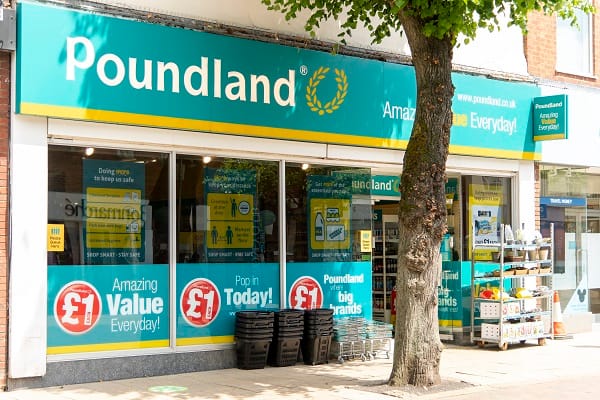
Small businesses supplying Poundland and TG Jones face potentially devastating consequences if the struggling retailers collapse into administration, with some directors risking their homes and personal savings as well as unpaid invoices.
Purbeck Personal Guarantee Insurance has warned that suppliers whose borrowing is secured against personal guarantees could find themselves exposed to debts they cannot repay if major customers fail.
The danger comes at a particularly difficult time for smaller firms, many of which will already have delivered Christmas stock on credit, expecting payment only after agreed trading terms expire.
If Poundland or TG Jones enters administration, suppliers could be left as unsecured creditors, ranking behind secured lenders in the queue for repayment. There is no guarantee they will recover the money owed, or how long the process might take.
But for businesses that borrowed to fulfil large retail orders, the consequences could extend well beyond lost revenue.
How an unpaid invoice can put a director’s home at risk
Winning a contract with a major retailer can require a small supplier to increase stock levels, recruit staff and borrow money to cover costs while waiting for invoices to be settled.
Banks and other lenders frequently require company directors to provide personal guarantees against that borrowing. If a retailer collapses before paying its bills, the supplier’s loan remains due regardless of whether the business has received the money it was expecting.
Should the company be unable to meet repayments, the lender can enforce the guarantee and pursue the director’s personal assets, potentially including their home and savings. Operating through a limited company does not protect directors from liabilities they have personally guaranteed.
Purbeck’s figures for the third quarter of 2026 underline the growing reliance on this form of borrowing among small businesses.
Applications for personal guarantee insurance increased by 62 per cent year on year, while the average loan secured against a personal guarantee rose by 33 per cent to £346,105.
Working capital was the most common reason for borrowing, accounting for 38 per cent of applications, a 68 per cent annual increase. The funding is typically used to purchase stock, pay employees and bridge the gap between delivering goods and receiving payment.
The pressure extends beyond the supply chains of Poundland and TG Jones. According to Begbies Traynor’s Red Flag Alert data, a record 738,144 UK businesses were in significant financial distress in the third quarter of 2026.
Todd Davison, managing director of Purbeck Personal Guarantee Insurance, said: “When a major business fails, the impact ripples through its supply chain. Smaller firms are often hit hardest because they have less financial resilience to absorb unpaid invoices and the loss of a major customer. If a supplier has personally guaranteed its borrowing, the lender still expects to be repaid—and the director’s home could be on the line.
“Wilko should serve as a warning. Three years after its collapse in 2023, reports suggest unsecured creditors, including suppliers, are still waiting to learn how much they will recover. Most small businesses cannot afford to wait that long. For directors, waiting and hoping is not a strategy. Speak to your lender, seek advice and establish exactly what you have guaranteed before a missed payment makes those conversations harder.
What suppliers should do now
Businesses caught up in the uncertainty are being urged to establish exactly what they are owed, gather invoices and delivery records, and submit claims promptly if administrators are appointed.
They should also check whether their contracts contain valid retention of title clauses, which may give them rights over goods that have not been paid for.
Directors are advised to contact lenders before missing repayments, establish whether personal guarantees are capped or cover all borrowing, and check whether liability is shared jointly and severally with other directors.
Suppliers with trade credit or personal guarantee insurance should notify their providers, while those struggling with tax bills may be able to negotiate instalments through HMRC’s Time to Pay arrangements.
Accountants, insolvency practitioners and solicitors can also help directors assess their options before financial pressure removes them.
For small suppliers, the collapse of a major customer can therefore become more than a commercial setback. Without early action, an unpaid Christmas invoice could ultimately put a business owner’s personal assets at risk.


Leave a Comment