
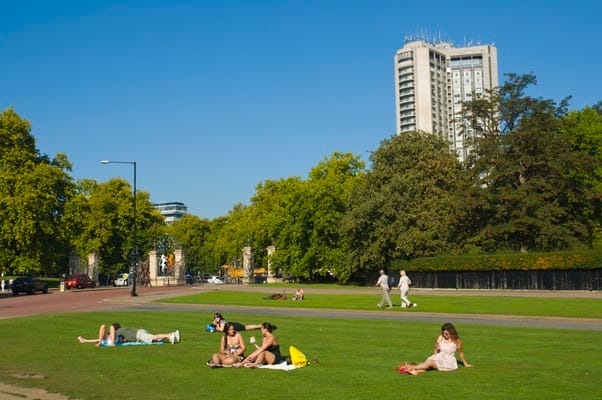
Climate change added between 3-4°C to maximum temperatures and is estimated to be responsible for about 42% of the deaths across both heatwaves
More than 2,700 people are thought to have died from heat-related causes during the May and June heatwaves in England and Wales. Of those, it’s estimated that 42% died as a result of the extra heat caused by human-induced warming.
Researchers from Imperial College London, the Met Office and the London School of Hygiene & Tropical Medicine used historical mortality records and established peer-reviewed methods to model fatalities during both heat spikes.
As Scotland and Northern Ireland were not impacted by such extreme temperatures, they focused on England and Wales.
Both events were record-breaking due to the impacts of climate change. The national record for May was broken when 35.1°C was recorded in West London, and three consecutive days of record-breaking June temperatures culminated with heat in excess of 37°C in East Anglia. Such high temperatures would be extreme even at the height of mid-summer, with July and August typically bringing the UK’s peak summer temperatures.
With the UK now regularly experiencing temperatures far beyond historical norms, the findings illustrate the importance of heat adaptation to protect the most vulnerable during future heatwaves, and underline the necessity of reaching net zero emissions globally.
Dr. Clair Barnes, Research Associate in Extreme Weather and Climate Change, Imperial College London said: “Every time we have a heatwave, our news is filled with reporters at swimming pools, images of people eating ice cream and sunbathers on beaches. We all love the sun, but people need to be aware that we are now seeing dangerous climate-change fuelled heat that is claiming lives, disrupting schools and hospitals and shutting down transport and infrastructure.
“It’s time we woke up to the fact that we now live in a country with dangerously hot summers. To protect people during future extremes, we must urgently adapt to the reality of the climate we now have, and double down on global efforts to reach net zero emissions to stop this from getting worse.”


Leave a Comment