
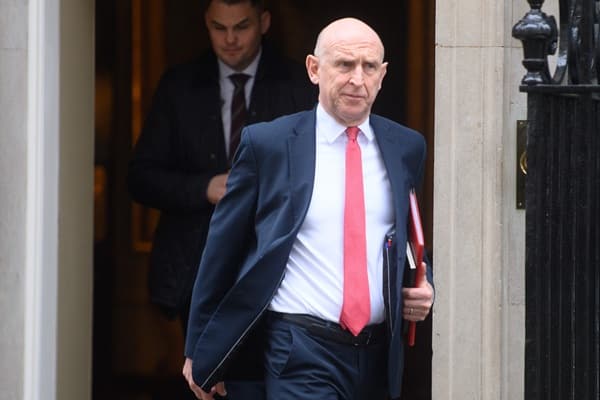
Chancellor John Healey has pledged to tackle the rising cost of doing business in Britain, promising to back “bloody-minded entrepreneurs” as he prepares his first Budget against a backdrop of mounting borrowing, higher taxes and growing pressure on companies.
Healey said he was conscious that businesses were struggling with the same cost pressures confronting households, including tax increases introduced by his predecessor Rachel Reeves, as well as regulatory changes, employment law reforms and disruption to global supply chains.
“I want to be a chancellor who backs business in Britain making a profit, and those entrepreneurs who, in the end, are the ones who challenge the status quo, come up with innovative ideas and are trying, some of them through sheer bloody-mindedness, to keep going through these sorts of pressures,” he told The Times.
The remarks signal an attempt to reassure business leaders before the Chancellor delivers his debut Budget on Wednesday, October 28. But Healey faces a difficult balancing act: demonstrating that Britain is open to enterprise while managing public finances that leave limited room for tax cuts or spending commitments.
Companies have faced a succession of cost increases in recent years, Healey acknowledged, citing employment legislation, regulation, higher taxes and international events that have placed pressure on supply chains.
Reeves raised employer National Insurance contributions from 13.8 per cent to 15 per cent, with the increase taking effect last year. Major employers have complained that the change has added millions of pounds to their operating costs, intensifying concerns about recruitment, investment and profitability.
Healey said the cost of doing business would be a central consideration as he prepared the Budget.
“And so when I talk about the cost of business, and recognising that in the same way as we’re recognising the cost of living pressures, I’m conscious of that as I go into the budget for both businesses and households,” he said.
The Chancellor’s pledge comes as the government confronts a deteriorating fiscal picture. Public sector borrowing rose more than expected to £24.5bn last month, underscoring the constraints on the Treasury as it considers how to support growth while meeting its financial commitments.
Healey is expected to increase taxes on banks as higher borrowing costs weigh on the government’s fiscal headroom. Such measures would highlight the tension at the heart of his promise to ease the burden on business: any attempt to improve the conditions for investment must compete with the need to raise revenue.
The government has also sought to demonstrate its commitment to domestic energy production. On Wednesday, it approved drilling at the Jackdaw gas field in the North Sea, off the coast of Aberdeen. Energy Secretary Miatta Fahnbulleh said gas was expected to begin flowing from the site into the domestic supply chain within weeks.
The decision comes amid continuing debate over energy security, industrial costs and Britain’s ability to provide companies with a stable supply of affordable power.
Meanwhile, London business leaders have urged Healey to give the capital’s mayor greater powers to borrow against future revenues from transport and other schemes. They argue that such changes could unlock funding for projects including the Bakerloo line extension and West London Orbital.
The proposed developments could create more than 20,000 jobs and pave the way for 36,000 new homes, according to the business leaders backing the plans.
For Healey, the challenge will be to turn his rhetoric into measures that persuade companies to invest, expand and hire, without undermining the Treasury’s fiscal position. His appeal to entrepreneurs who persevere through “sheer bloody-mindedness” acknowledges the resilience of British business. The Budget will reveal whether the government intends to do more than ask companies to endure the pressure.


Leave a Comment