
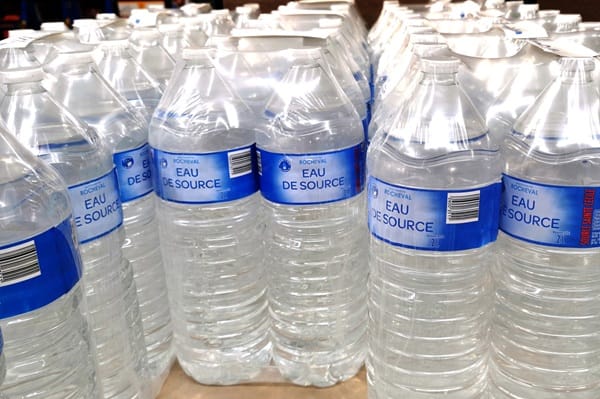
More than one in four UK adults are stockpiling, or considering stockpiling, food and drink as concerns over supply-chain disruption and rising costs prompt households to prepare for potential emergencies, according to research from Barclays.
The findings suggest the Government’s new drive to encourage household resilience is beginning to influence consumer behaviour, although the figures also expose a significant gap between public awareness and preparedness.
Fewer than half of households say they currently have enough food and drinking water to survive for three days without normal supplies.
The Government launched its Be Ready campaign on October 22, urging people to take practical steps to cope with interruptions to essential services, including electricity, water, telephone networks and internet access.
Its guidance recommends keeping basic supplies at home to last at least 72 hours, including non-perishable food, bottled water, torches, batteries and essential medicines.
Barclays found that 60 per cent of adults had already taken, or were considering taking, at least one measure to prepare. Alongside the 27 per cent stockpiling food and drink, 26 per cent were buying items for potential power cuts, and 23 per cent were accumulating toiletries and other household essentials.
The figures point to a measured response rather than a return to the panic buying that emptied supermarket shelves during the early stages of the Covid-19 pandemic. In March 2020, supermarket spending rose 21.3 per cent year on year, while spending at specialist food and drink retailers increased 30.5 per cent and discount stores recorded growth of 25.2 per cent.
The surge became particularly pronounced in the week before tighter restrictions were introduced, between March 16 and 22, when supermarket spending jumped 49 per cent.
Yet research by the Institute for Fiscal Studies found that the increase was driven principally by a larger number of households buying modestly more than usual, rather than a small minority purchasing supplies in bulk. That pattern appears closer to the incremental preparation encouraged by the Government’s latest campaign.
Today’s behaviour also bears similarities to the preparations made ahead of the UK’s possible departure from the EU without a trade deal. In February 2019, one in 10 shoppers said they had begun stockpiling groceries, while a further 26 per cent were considering doing so, according to Kantar.
But the latest research highlights how far many households remain from being able to withstand even a short interruption to normal supplies.
Only 44 per cent say they have enough food and drinking water to last at least three days. A further 22 per cent have sufficient food but not enough drinking water, while 10 per cent have enough water but insufficient food. One in nine, or 12 per cent, say they have neither enough food nor drinking water.
The gap is particularly pronounced among younger adults, raising questions about whether financial pressures, housing constraints or a lower level of household preparedness are leaving some groups more exposed to disruption.
Just 31 per cent of people aged 18 to 34 say they have enough food and water for three days, compared with 45 per cent of those aged 35 to 54 and 53 per cent of people aged 55 and over. Meanwhile, 18 per cent of the youngest group say they have neither sufficient food nor water, more than twice the proportion among over-55s, at 8 per cent.
Steven Fergus, head of retail at Barclays, said the campaign had prompted people to consider how they would cope if basic services were interrupted.
“A lot of people are clearly asking themselves, ‘what would I do if the power went off or the taps ran dry for a few days?’ That’s a sensible question. And this feels very different to the empty shelves of 2020. It’s people putting an extra tin or a pack of batteries in the trolley, just in case.
“The worry is that fewer than half of households could get through three days right now, and younger people are the least ready. You don’t need to do it all in one go. Adding one or two bits to your weekly shop is an easy way to get there without a big hit to your budget.”
The distinction between preparation and panic buying will be important for retailers and policymakers. A gradual increase in household purchases is unlikely to create the same immediate pressures on supermarket supply chains as the mass buying seen in 2020. But a sudden deterioration in public confidence could change that picture quickly.
For now, the figures suggest the Government faces a challenge beyond persuading people to keep emergency supplies. It must convince households that preparing for disruption is a routine part of managing domestic finances and risks, rather than a response to an imminent crisis — and ensure that the cost of doing so does not become another burden for those least able to afford it.


Leave a Comment