
Households, schools, care homes and businesses across Devon could face having their water supplies switched off for up to three days at a time if drought conditions deteriorate, under emergency plans drawn up by South West Water.
The extraordinary contingency measures would see water supplied on a rotating basis, with communities receiving three days of supply followed by three days without running water.
The proposals are intended as a last resort if the region’s worsening water shortages become more severe.
Around 60 organisations, including district councils and emergency services, have been involved in preparing for what is classified as a “stage four severe drought” scenario.
Donna Manson, chief executive of Devon County Council, revealed the preparations at a cabinet meeting last Tuesday, prompting warnings about the potentially devastating consequences for vulnerable residents and the regional economy.
Julian Brazil, the Liberal Democrat leader of the council, said implementing such restrictions would be disastrous for businesses, schools and people dependent on regular access to water.
“It would be a disaster for Devon’s businesses, vulnerable people and schools,” he warned.
The plans come as Devon remains subject to a hosepipe ban and continues to experience the effects of one of the driest periods in recent years. The county was among six areas in southern and south-western England to receive formal severe drought declarations in mid-October.
Although wetter weather has brought some relief, reservoir levels remain dangerously low. Wimbleball reservoir in Somerset, a crucial source of drinking water for about 400,000 people in Devon, was just 13 per cent full in October. It has since recovered to only 20 per cent, almost half the level recorded at the same point last year.
Britain’s hottest summer on record has placed enormous pressure on water resources, leaving supplies vulnerable even as rainfall returns. Specialists have warned that an exceptionally wet winter will be needed to prevent further restrictions in the spring.
The scale of the challenge is considerable. In September, the government said the country would need to receive 120 per cent of average rainfall between then and April before it could be declared out of drought.
The prospect of rotating water supplies has intensified criticism of South West Water, which has faced years of scrutiny over its environmental record and the condition of its infrastructure.
Richard Tice, Reform UK’s deputy leader, branded the company a “national embarrassment”, accusing it of rewarding shareholders while customers face worsening water and sewage problems.
“While families endure sewage-soaked rivers, severe droughts, and now this farcical tap rota, the company has handed £200mn in dividends to its shareholders in just two years,” he said.
Brazil also accused the government and the water company of failing to involve local authorities sufficiently in emergency preparations.
He said council representatives had been excluded from crucial discussions, despite being expected to deal with the practical consequences of any restrictions.
“What happened was COBRA and SWW were having emergency meetings and as always, we were excluded,” he said.
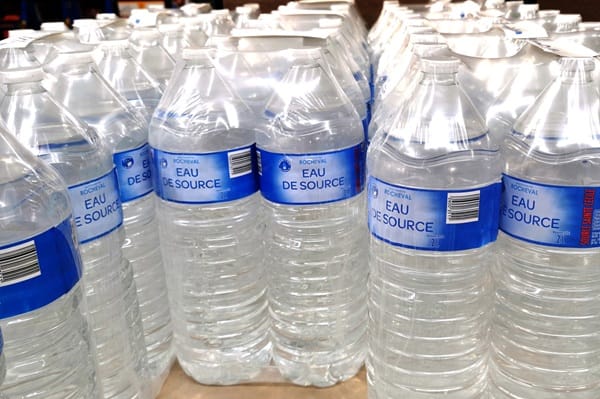
Brazil blamed what he described as decades of neglect by South West Water, warning that councils could be left struggling to organise emergency supplies, including the distribution of bottled water, if household taps were switched off.
The implications for vulnerable residents could be particularly serious. Richard Keeling, Devon County Council’s cabinet member for adult services, said he was deeply concerned about how care providers would cope with prolonged interruptions to water supplies.
“I have very real concerns about what planning for cut-offs would actually mean,” he said.
“I’m worried about all our care homes and the 33,000 vulnerable people we have in our care whom we would have to supply with water.”
The government sought to reassure residents that rationing was not currently expected. A Department for Environment, Food and Rural Affairs spokesman said: “There are no plans for water rationing, and we do not anticipate any impact on public water supplies.”
The department said water companies in areas affected by severe drought were nevertheless required to prepare contingency arrangements, alongside daily monitoring of reservoir and river levels.
It added that new regional water councils would give communities a greater say in how supplies were managed.
South West Water also stressed that the proposed restrictions were a precaution rather than an indication that cut-offs were imminent.
“Although these measures will not be needed this winter, Defra requires us to have clear contingency plans in place as a last resort due to severe drought in the region,” a spokesman said.
Richard Stanbrook, the company’s drought programme director, said recent rainfall and efforts to reduce consumption were beginning to improve the situation, but warned that the region still had a long way to go before reserves recovered.
“We’re continuing to see the benefits of wetter weather after months of exceptionally dry conditions,” he said.
He added that the company was repairing leaks and moving water around its network to make the most of available supplies while reservoirs and rivers recovered.
Customers were urged to continue conserving water, even when rainfall made conditions appear to be improving.
“Even when it’s raining, the water households and businesses save today helps ease pressure on supplies now and leaves more water in reserve for next year,” Stanbrook said.
For Devon, the proposed three-day rotation remains an emergency scenario, not a confirmed restriction. But the fact that councils and emergency services are preparing for a situation in which entire communities could lose running water for days underlines the severity of the region’s supply problems.
The immediate hope is that winter rainfall will replenish reservoirs before spring. If it does not, the contingency plans could become a far more pressing reality.


Leave a Comment