
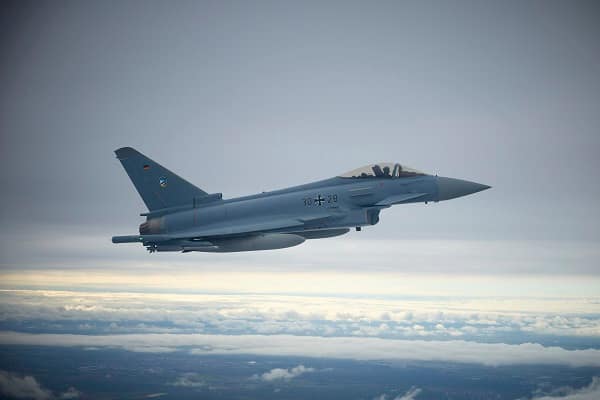
A fresh confrontation between Russia and NATO has intensified security fears in Europe after Poland scrambled fighter jets to intercept a Russian reconnaissance aircraft over the Baltic Sea — days after a suspected Russian missile crossed into Polish airspace.
Polish F-16s were launched after a Russian Il-20 intelligence aircraft was detected flying approximately 40 kilometres north of Kołobrzeg in international airspace.
The aircraft was reportedly operating without a declared flight plan and with its transponder switched off, prompting the NATO member to respond.
Poland’s Defence Minister Władysław Kosiniak-Kamysz said the interception was carried out successfully but warned Warsaw would continue to monitor Russian military activity closely.
“Another successful interception of a Russian aircraft over the Baltic Sea,” he said, adding that Poland would “firmly respond to the actions of the Russian Federation” while maintaining close cooperation with NATO allies.
The incident did not involve a violation of Polish territory, officials said, but it comes amid a sharp increase in military activity around NATO’s eastern flank as Russia’s war in Ukraine continues.
The latest encounter follows a tense episode earlier this week when Polish air defences were placed on high alert after a suspected Russian Kh-101 cruise missile entered Polish airspace during a major Russian bombardment of western Ukraine.
Polish Prime Minister Donald Tusk said the country had been prepared to shoot down the missile if it had continued its trajectory, describing the incident as a serious test of Poland’s defences.
The repeated encounters have heightened concerns among NATO officials that the risk of miscalculation is growing as Russian aircraft, missiles and drones increasingly operate close to alliance borders.
The Baltic Sea has become a critical military theatre, with Russia’s Kaliningrad enclave, NATO’s eastern members and key European shipping routes all located within a narrow strategic corridor.
While Moscow has frequently carried out reconnaissance flights near NATO territory, alliance officials have warned that aggressive manoeuvres, disabled tracking systems and close encounters increase the possibility of an accidental escalation.
For Poland, which borders both Ukraine and Russia’s Kaliningrad region, the latest incident reinforces the government’s argument that stronger air defence and continued NATO readiness are essential.
With the war in Ukraine entering another prolonged phase, each interception carries a broader message: Europe’s eastern frontier remains one of the world’s most dangerous military fault lines, where a single mistake could trigger a far wider confrontation.


Leave a Comment