
Andy Burnham has signalled a fresh push to reshape Britain’s relationship with the European Union, insisting that closer ties could help drive economic growth and strengthen security, as Conservative leader Kemi Badenoch accused the Prime Minister of revealing too much of his negotiating strategy before talks have even begun.
Addressing MPs in the House of Commons on Monday, Mr Burnham said the British public would remain in control of any attempt to move the UK closer to the bloc, while arguing that maintaining the status quo was no longer sufficient.
“If we are serious about promoting growth, controlling immigration, upholding our values and security, it is a conversation we must have,” he said.
“Sticking with the status quo is not good enough for Britain. Worse, it would be a major dereliction of duty to turn away.”
The Prime Minister said his immediate priority was securing a successful outcome at an upcoming summit with EU leaders, after which he wanted a broader discussion about the long-term options for the relationship.
“At every stage, the British public will be the boss,” he said, adding that public opinion currently supported what he described as a pragmatic approach.
Mr Burnham is due to travel to Brussels on November 20 for talks expected to cover trade, energy, a youth experience scheme and closer co-operation on immigration. The summit had originally been planned under his predecessor, Sir Keir Starmer, but was postponed following his resignation.
The diplomatic push comes as European leaders signal their willingness to deepen co-operation with the UK. European Council president Antonio Costa said the two sides were “like-minded partners, united by common values and shared interests”, arguing that their security and prosperity were closely intertwined.
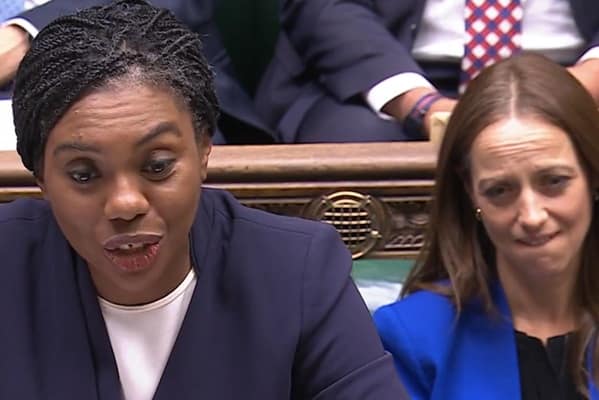
But the Prime Minister’s approach immediately drew fire from Badenoch, who warned that Brussels would have little incentive to offer Britain improved terms if it already knew what the Government wanted.
“He is not going to get a better deal,” the Conservative leader said, accusing Mr Burnham of “trying to distract the country” from domestic problems.
She described the EU as a tough negotiating partner and argued that the Prime Minister had weakened his own position by setting out his ambitions publicly.
“He has just blurted out everything he wants in this statement,” she said.
Badenoch also challenged Mr Burnham’s recent claims that Russia had attempted to interfere in the 2016 Brexit referendum, questioning the evidence behind the allegation and pointing to previous comments from the head of MI5.
“Where has this come from?” she asked, accusing the Government of “lazy thinking from people who don’t have solutions to the real problems we face”.
“This is just another example of him trying to distract the country, rather than solve the immediate problems.”
The exchange illustrates the political risks facing Mr Burnham as he seeks closer economic and security co-operation with Europe without reopening the wider divisions that followed Brexit.
For the Government, the challenge will be to turn its call for a pragmatic partnership into tangible benefits for businesses and households. For the Opposition, the question is whether Mr Burnham can secure meaningful concessions without compromising Britain’s negotiating position or provoking renewed political conflict over the country’s relationship with the EU.


Leave a Comment