
Households living in older properties face a potentially punishing winter heating bill, with the cost of keeping some homes warm more than twice that of comparable new-build properties, according to new research.
The gap could leave families paying hundreds of pounds more for heating and hot water between December and February, just as colder weather and the Christmas holidays put additional pressure on household budgets.
Wain Homes’ Winter Home Heating Cost Index estimates that heating an older house and supplying it with hot water over the three winter months will cost an average of £393, compared with just £178 for a new build.
That represents an additional £215 over the winter, with around £72 of the difference falling in December alone.
The research also warns that December heating costs for older houses could be around 27 per cent higher than last year in every area included in the rankings, reflecting changes in the gas unit rate.
The findings are based on an analysis of more than 6.3 million Energy Performance Certificates (EPCs), including 4.4 million relating to houses.
Wain Homes examined heating costs across 306 council areas in England and Wales, finding that older properties were more expensive to heat in every single area.
In 234 areas, the estimated cost of heating an older house was at least double that of a new build. In 36 areas, the difference reached £250 or more.
The largest gap was recorded in West Devon, where heating an older house is estimated to cost £476 over the winter, compared with £167 for a new-build property.
That leaves homeowners in older properties facing an additional £309 in heating costs over just three months.

South Hams, also in Devon, recorded the seventh-largest difference, at £278, putting two areas in the county among the ten places with the biggest gaps.
Ceredigion emerged as the most expensive location in the index for heating an older house, with an estimated winter bill of £527.
In Wales, Powys recorded the largest difference between older properties and new builds. An older house is expected to cost £504 to heat over winter, compared with £214 for a new build.
The £290 gap is the fifth largest across England and Wales, highlighting how sharply the cost of keeping older properties warm can vary depending on where people live.
A Wain Homes spokesperson said the additional expense could be particularly difficult for households already facing pressure on their finances during the festive period.
“Finding an extra £215 over winter can be a big ask, especially when over £70 of that falls in December. You might have family staying or the kids home from school, and if the living room cools down quickly, that’s exactly when you want to be able to put the heating on without thinking twice about it.”
The company said the findings also raised questions for people who had hoped to move home before Christmas but found themselves staying put for another winter.
“Predictably, we found higher heating costs for older houses in every council area we looked at; however, the difference itself was surprising. With more homes on the market and fewer buyers looking, the people who had hoped to move by Christmas could end up spending another winter in a home that’s already expensive to heat.
“As a housebuilder, we need to think carefully about what people will spend on a home after they’ve bought it. A difference of more than £200 in a single winter shows why decisions about insulation and heating need to be made together from the start. The less heat a house loses through its walls and roof, the less heat the system needs to put back in.”
But households do not necessarily need to undertake expensive improvements to make savings this winter.
Andrew Mitchell, Group Design Project Manager at Wain Homes, has outlined several practical steps people can take to reduce wasted energy and keep heating bills under control.
One of the most common questions is whether it is cheaper to leave the heating running at a low temperature throughout the day or switch it on only when required.
Mitchell said the answer depends on the type of heating system installed.
“If you’ve got a traditional gas boiler, it’s generally cheaper to put the heating on when you need it rather than leaving it running all day, because your home is constantly losing heat to the outside while the heating is on.
“Air source heat pumps work differently. They’re generally more efficient when maintaining a steady temperature rather than repeatedly heating a home from cold, so leaving the temperature relatively consistent can make more sense.”
He suggested starting with a thermostat setting of 19C or 20C, while recognising that individual preferences and household circumstances differ.
The UK Health Security Agency recommends heating rooms regularly used to at least 18C, and Mitchell said he would not advise households to set their heating below that level.
Another relatively straightforward way to reduce bills is to adjust radiators individually, rather than heating every room to the same temperature.
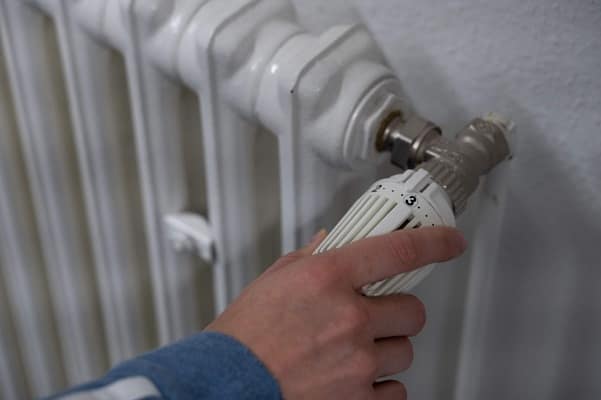
Thermostatic radiator valves allow households to control the temperature of separate rooms, helping prevent energy being wasted on spaces that are rarely used.
Draughts around doors and windows should also be checked, particularly in older properties where poorly fitting frames can allow warm air to escape.
“If you can feel cold air coming in under the front door when you walk past it, that’s where I’d start. It’s worth checking the windows too, especially any that don’t shut quite right. And if you close the curtains at dusk, check where they hang. If they cover the radiator, a fair bit of that warmth can end up behind the curtain.”
Mitchell also advised households to keep air bricks and vents clear and continue using extractor fans, particularly when cooking or showering, to prevent moisture building up.
For those considering more substantial improvements, he recommended consulting the property’s EPC, which provides a starting point for identifying where insulation and heating upgrades could make the greatest difference.
With older homes facing significantly higher estimated heating costs across every council area examined, even small changes to how households use their heating could help limit the financial hit this winter.


Leave a Comment