
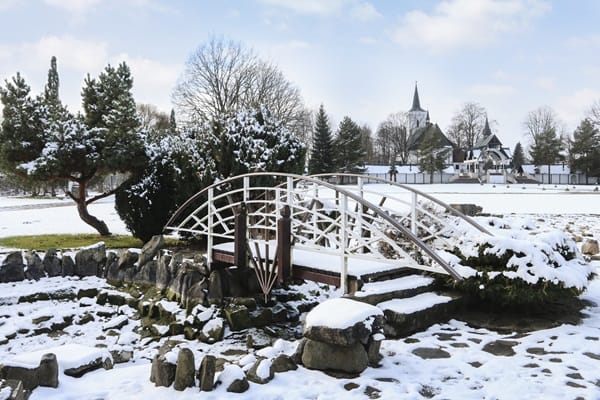
The British winter is coming very soon, which means temperatures are dropping both outdoors and inside the country’s homes. Preparing for the winter means more than simply putting on an extra layer and remembering your woolly hat on the way to the shops – it means setting your home up to be as comfortable and energy efficient as possible. In the midst of the energy crisis, heating a home can be very expensive, which can even become a threat to the health of more vulnerable residents.
This article will offer some insights on how to prep your home for winter, so you can keep your energy bills manageable and ensure the comfort and health of everyone in the property.
Insulating your home
Internal and external home insulation are essential for ensuring maximum energy efficiency and consistent warmth. You can take different approaches to insulation, ranging from cheaper, DIY solutions, like weatherstripping, all the way to more permanent installations like new roller garage doors.
Some techniques for household insulation include:
- Sealing gaps in windows and doors with caulk or weatherstripping
- Using draft stoppers on windows and doors that aren’t easily sealed
- Installing double glazing on windows
- Insulating attics and walls with foam, mineral wool and fibreglass
- Insulating pipes and water heaters with warm materials to prevent freezing and bursting
- Installing new garage doors (as the garage is a massive contributor to household heat loss)
- Using thermal curtains, rugs and carpets to decrease drafts and increase insulation
It’s worth noting that some of the more permanent installations will be far more expensive than others; however, they will save you money significantly over the years.
HVAC and plumbing maintenance
Your HVAC and plumbing systems are vital elements of a home that can weather the elements. It’s important to have these technical ins and outs in order when you prep your house for winter. If they’re not working properly, you might struggle with temperature control or overwork their mechanisms, costing you much more.
Some essential HVAC and plumbing maintenance processes include:
- Servicing furnaces and boilers
- Replacing air filters
- Testing thermostats for accuracy or programming them for energy efficiency
- Checking chimneys and fireplaces for blockages or damage / sealing unused ones
- Draining outdoor hoses and shutting off exterior valves
- Letting faucets drip slightly during extreme cold to prevent freezing
Caring for these internal mechanisms is an essential part of preparing for the winter.
Preparing for emergencies
Lesser-talked-about UK cold weather preparation essentials include setting up your property for emergencies. British weather emergencies aren’t massively common, but that doesn’t mean you shouldn’t take steps to ensure you and your family are safe and comfortable if they strike. Extreme weather can result in power cuts, floods and more.
Some vital emergency prep protocols might be:
- Stocking up on essential food, water, batteries, medications and torches
- Making sure your carbon monoxide and smoke detectors are fully operational
- Keeping some snow removal tools at the ready
- Ensure vehicle winter readiness by checking the batteries, antifreeze and tyres
As the old saying goes, expect the worst and prepare for the worst!
Outdoor cold-weather preparation
Beyond all the things you can sort out on the inside of your home, you can also prep the exterior of your home for the winter. Things like cleaning gutters of leaves and checking outdoor lighting are important to maximise your mobility during the colder months.
Start preparing your home now
If you want to make your home safe for winter, you need to start as soon as possible. December is just around the corner, so there’s no time to waste! And remember, larger, more expensive alterations can benefit you for years to come, so consider what you’re willing to invest and when.


Leave a Comment