
A shipment can look profitable on the quotation and become expensive before it reaches the customer. For UK-based traders, the awkward moment often arrives when an unexpected invoice lands and both parties insist the other should pay it.
An Incoterm mistake doesn’t necessarily look like a mistake when the contract is signed. A familiar abbreviation can seem reassuring, especially when the goods, route, and customer haven’t changed.
Yet a shipping quote and a sales agreement can leave different impressions of what’s included. With margins already committed before dispatch, the gap between those impressions deserves attention long before a shipment reaches the border.
Why the wrong Incoterm quietly moves costs onto you
The costly mistake is agreeing a term without assigning the responsibilities behind it. The International Chamber of Commerce’s Incoterms 2020 allocate delivery obligations, costs, and risk, as the government’s overview of Incoterms explains.
They don’t determine the sale price, payment arrangements, or ownership of the goods. A seller quoting DDP without workable arrangements for destination taxes hasn’t simply offered more delivery support: it has accepted an obligation its price might not cover.
Risk allocation also matters when damage occurs before arrival: the buyer can carry the transit risk even though the seller booked the journey. An uninsured loss then becomes a direct cost rather than a claim against an agreed policy.
Who pays the duties and who files the customs paperwork
Under DDP, the seller takes responsibility for import clearance, including applicable duty and import VAT. Under DAP and DPU, import clearance and those charges fall to the buyer.
That mismatch becomes expensive when clearance stalls. Goods awaiting payment or instructions can incur storage charges while the parties argue over an invoice neither expected.
EXW creates a different problem: export clearance falls to the buyer, even where a foreign buyer faces local eligibility restrictions. FCA puts export clearance with the seller, making it the more practical choice when the seller can complete those formalities.
The written agreement should assign ownership of the commercial invoice, commodity codes, and EORI number details, whether the responsible party uses an in-house trade team, the carrier’s broker, or dedicated customs clearance services, so document preparation doesn’t fall between organisations.
However, a broker’s involvement doesn’t remove the need to establish who supplies accurate information. Missing identifiers or conflicting invoice details can hold up clearance regardless of the term selected.

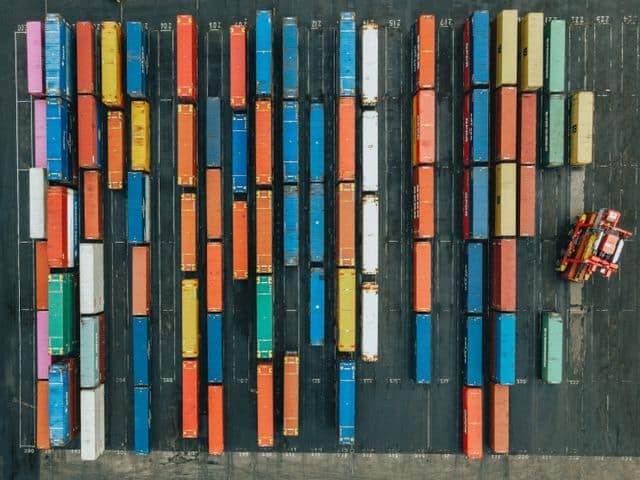
Photo by Alex Levis on Pexels
Insurance gaps, vague delivery points and mounting delays
As with customs responsibilities, paying for transport isn’t the same as carrying the risk throughout it. Under CIF and CIP, the seller pays carriage to the agreed destination, but risk transfers earlier at the delivery point defined by the rule. Payment and ownership don’t determine that transfer.
These are also the only two rules requiring the seller to arrange cargo insurance. Unless otherwise agreed, CIF calls for minimum Institute Cargo Clauses (C) cover, while CIP calls for broader Clauses (A) cover. Under other terms, neither party should assume the rule automatically provides insurance.
Precision about location matters just as much. “Rotterdam” doesn’t identify a particular terminal, warehouse, or delivery address. The contract needs enough detail to establish the relevant handover and allocate terminal handling charges and onward delivery.
Disputes over that boundary can leave cargo waiting. Depending on where equipment and goods remain, demurrage, detention, or storage charges can follow.
Delayed availability can also mean a missed sales window, turning a disagreement about delivery into a loss beyond the freight bill.
Protecting the margin before the goods ever leave
The safeguard isn’t a familiar abbreviation. It’s a written allocation of four responsibilities before dispatch: who pays duties and taxes, who prepares and files customs paperwork, who insures the relevant journey, and exactly where delivery takes place.
Incoterms 2020 provide the framework, but the agreement still needs to match what each party can actually do. A seller unable to manage destination clearance or a buyer unable to arrange export formalities leaves a gap that pricing alone won’t fix.
A margin is only meaningful when the obligations behind it have been priced too.




Leave a Comment