
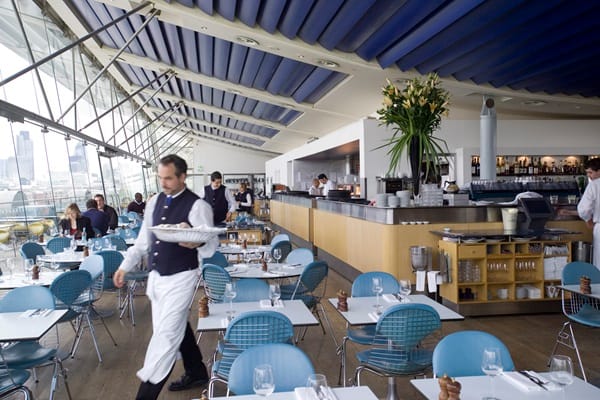
London’s commercial real estate landscape is undergoing its most dramatic transformation in a generation. Driven by post-pandemic workspace adaptations, a surging hospitality sector, and high-end residential developments across prime postcodes, the capital is experiencing an unprecedented boom in fit-out spend.
As developers, interior designers, and corporate specifiers scramble to create spaces that entice workers back to the office and diners back to high-street venues, one material has quietly emerged as the centrepiece of modern interior specification: solid surface worktops.
From seamless, curved reception desks in City law firms to hygienic bar tops in West End restaurants, solid surface materials like Corian are rapidly displacing traditional laminate and natural stone. Here is why the capital’s commercial fit-out surge is driving demand for solid surfaces, and what specifiers need to know about navigating current supply-chain realities.
The shift: Why specifiers are abandoning laminate and stone
For decades, commercial buyers faced a strict compromise. High-pressure laminate offered cost efficiency but lacked longevity and premium tactile feel, often peeling or swelling under heavy commercial use. Natural stone and granite delivered prestige but brought significant drawbacks: porous surfaces requiring ongoing sealing, visible seam lines, and high susceptibility to staining or chipping in high-traffic commercial environments.
Today’s commercial fit-outs demand more. Modern office refurbishments in London are increasingly focused on the “flight to quality,” creating amenity-rich spaces with high-end breakout kitchens, wellness hubs, and statement reception areas. At the same time, commercial healthcare and hospitality venues face stringent hygiene standards.
Solid surfaces, engineered from acrylic or polyester resins combined with mineral fillers, bridge the gap between design freedom and industrial-grade practicality.
What solid surface and quartz offer commercial buyers
Commercial specifiers across London are leaning heavily into solid surface materials like Corian and engineered quartz for several key performance advantages:
1. Seamless joins and total hygiene
Unlike natural stone or laminate, solid surface sheets can be joined inconspicuously using two-part acrylic adhesives. Once sanded, the joint becomes virtually invisible, creating a smooth, continuous expanse.
From an operational standpoint, this eliminates the open grout lines and silicone seams where bacteria, dirt, and moisture tend to accumulate. For commercial kitchens, corporate tea points, and healthcare environments, these non-porous, antibacterial credentials make solid surfaces an unmatched choice for compliance and cleanliness.
2. Thermoforming and architectural freedom
One of the key aesthetic drivers in contemporary London office and hospitality fit-outs is the move toward sculptural, organic architecture. Rigid rectangular layouts are giving way to sweeping, soft-edged reception desks, rounded island bars, and custom wall cladding.
When heated to precise temperatures, the acrylic solid surface becomes thermoformable. Fabricators can bend and mould the material into fluid 3D curves and custom shapes that are impossible to execute with traditional natural stone.
3. Infinite repairability and commercial longevity
In high-traffic London venues, damaged surfaces usually mean costly downtime and expensive full-unit replacements. A solid surface is homogeneous; the colour and pattern run consistently through the entire thickness of the material.
If a hotel bar top suffers a heavy scuff, it doesn’t need to be ripped out. A qualified specialist can sand out scratches, fill gouges, and re-polish the area on-site, restoring the surface to its original condition without leaving a trace.
The supply-chain reality: Why expertise is the real bottleneck
While demand for solid surfaces across London continues to soar, the commercial fit-out market faces a critical underlying challenge: a shortage of specialist fabrication and installation capacity.
Working with acrylic solid surfaces is fundamentally different from standard joinery or traditional stonemasonry. Thermoforming, seamless chemical bonding, and site-matching call for extreme precision. Extended material lead times combined with a shortage of veteran installers with 20+ years of hands-on experience mean that execution risk is currently high for commercial project managers.
A single miscalculated templating error or improper joint cure can derail a commercial handover schedule, incurring severe liquidated damages for fit-out contractors working under tight deadlines.
Choosing the right fabrication and installation partner
For London specifiers and main contractors, mitigating project risk comes down to partner selection. Sourcing off-the-shelf components or relying on general joiners to handle specialist acrylic materials frequently leads to visible seams, structural stress cracks, or project delays.
To safeguard commercial timelines, developers are increasingly turning to dedicated specialists, such as established Corian suppliers London businesses rely on for both fabrication and installation, to ensure seamless execution from initial CAD templating to final on-site polish.
Firms with deep commercial portfolios, verified industry accreditations, and proven track records on major commercial projects bring the requisite bench strength to keep fit-out programs running smoothly.
Looking ahead
As London’s commercial sector continues to prioritise sustainable, flexible, and high-impact design, solid surface materials will remain at the forefront of interior specification. By offering an ideal blend of thermoformed artistry, non-porous hygiene, and long-term repairability, solid surfaces are proving that practical commercial design never has to compromise on style.



Leave a Comment