
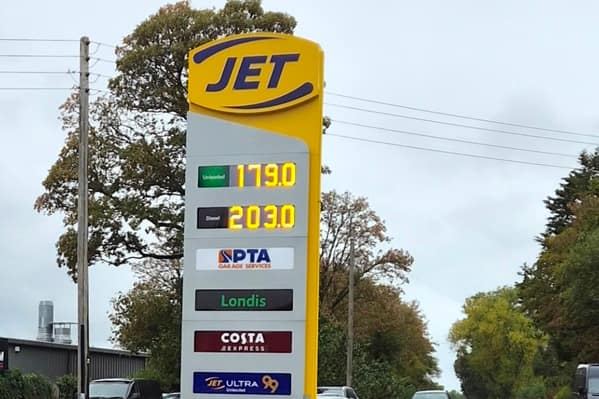
The AA has urged Chancellor John Healey to extend the existing fuel duty cut and introduce a further reduction in his October Budget, warning that soaring pump prices are adding to pressure on households and businesses.
The motoring organisation is calling for the 5p-per-litre fuel duty reduction to be retained beyond its current expiry date, with an additional 5p cut to ease the burden on drivers as the US-Iran war pushes oil prices higher.
Diesel reached a record 200.01p per litre earlier this month, meaning it costs about £110 to fill a typical 55-litre tank. More than 2,500 filling stations across the UK were already charging at least £2 per litre for diesel at the beginning of October, according to previous AA analysis.
Petrol prices have also remained elevated, leaving motorists facing higher costs at the pumps even though the fuel has not reached its all-time record.
Healey will deliver his first Budget as Chancellor on October 28, with fuel duty emerging as a key test of the Government’s response to the renewed cost-of-living squeeze.
The existing 5p reduction was introduced following Russia’s full-scale invasion of Ukraine, which sent energy prices surging. Successive Conservative and Labour governments have extended the measure, but it is scheduled to begin unwinding in January 2027, when duty is due to rise by 3p per litre, before the full reduction is removed by March.
The AA warned that reversing the cut while fuel prices remain high would deliver another blow to drivers already struggling with household bills.
Its proposed additional 5p reduction would be worth about 6p per litre at the pump if passed on in full, saving motorists approximately £3.30 on a 55-litre fill.
Edmund King, AA president, said: “Drivers need the Chancellor to put the brakes on rising fuel costs.”
He added: “The first step must be keeping the existing 5p fuel duty cut, but with prices rising, we believe the Chancellor should go further and cut another 5p.”
King argued that the consequences of higher fuel prices extend beyond private motorists, increasing the cost of transporting goods, making deliveries and operating businesses.
“Fuel prices aren’t just an issue for motorists,” he said. “Higher prices increase the cost of moving goods, making deliveries and running businesses, with those costs ultimately finding their way into household bills.”
The AA also pointed to the additional VAT revenue generated as underlying fuel prices rise, arguing that the Treasury should consider using some of that income to provide relief for drivers and businesses.
“We believe the Chancellor should take that additional revenue into account and use the Budget to give drivers and businesses some breathing space,” King said.
The Government declined to indicate whether it would accept the proposal, saying that decisions on fuel duty and other taxes would be announced in the Budget.
The Chancellor therefore faces a difficult balance between easing pressure on motorists and protecting public finances, with the scheduled withdrawal of the existing tax reduction threatening to make already expensive journeys costlier still.


Leave a Comment