
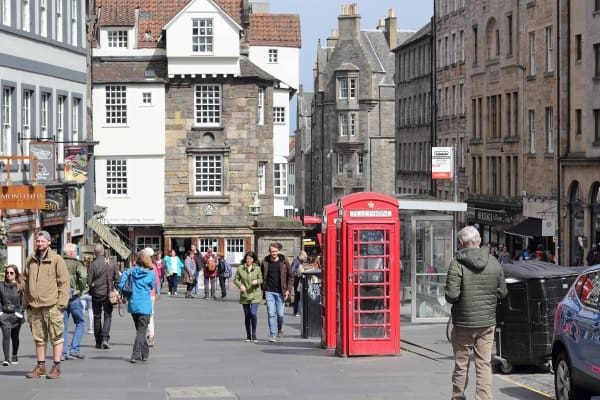
If you walk down any British high street, there’s a good chance that you’ll see a bookmaker with its shutters down, a bank that has turned into a vape shop, and a “to let” sign where a thriving fashion brand used to be. Not as many people are going into town these days, and the businesses that are sticking it out are paying higher taxes, wages, and rates.
Betting shops are one of the clearest examples of that squeeze, as they’re caught between higher gambling taxes and customers moving to place bets and play roulette on their phones. However, other industries are also impacted, including fashion chains, banks, and charity shops. Closures in some categories have been a key trend in 2026.
Bookmakers pulling back
Britain’s betting shops have been gradually shrinking over the past decade, but the trend is accelerating in 2026. The November 2025 budget is a big reason, as it nearly doubled gambling taxes on online casino games and set a new 25% rate of online sports betting from next April.
The 15% duty for over-the-counter bets remained the same, but most operators were already struggling to break even at retail establishments. The justification for keeping the lights on in these stores gets tougher as their online margins are now being squeezed.
Some of the firms have announced over the past year that they intend to close 100+ shops around Britain. The Betting and Gaming Council estimates that over 600 shops will be shuttered by the end of 2026, taking with them 5,000 jobs.
Shops may face another hit following Chancellor John Healey increasing the Machine Games Duty on higher-stakes gaming machines in the 2026 budget from 20% to 25%, which kicks in in April.
The industry had feared that the rate would double, so their full fears weren’t realised. However, these machines account for approximately half of a typical shop’s revenue, so operators warn more closures could be ahead.
Fewer foot traffic
The problem that many high street businesses are facing is that there are fewer people actually walking by their storefronts. Total UK retail footfall dropped 4.7% year-on-year in October, which was the biggest decline since April. High streets were hit the hardest, down 5.2% compared to retail parks at 3.6% and shopping centres at 4.1%.
Some of the blame is attributed to the weather, most notably back-to-back storms in October, Amy and Benjamin. Many shoppers preferred to stay at home or went for places with easier parking. However, the decline isn’t a one-off, as it has been in the negative for much of the year so far. Many households are struggling with the cost of living, as rising prices and energy bills mean fewer non-essential trips are being made.
Retail parks that have free parking and big stores tend to be doing better than old-school town centre high streets. Businesses that rely on passing trade put a big focus on every lost customer.
Fashion and charity shops
Bookmakers aren’t the only ones hurting, as banks continue to retreat as customers move online. Lloyds Banking Group said that Halifax will no longer be on the high streets soon.
Fashion and gift retailers had especially poor years. Claire’s Accessories shuttered all 154 of its standalone UK and Irish stores in April, and River Island closed 27 stores in January.
Video games brand GAME shut its standalone shops and moved into concessions within Sports Direct. Even charity shops like Cancer Research UK have been forced into closing about 90 of its branches.
Retailers explain these decisions as being unavoidable due to a steady build-up of costs. Employer National Insurance contributions increased in April 2025, with minimum wage continuing to increase, and business rates relief for retail, hospitality and leisure dropped from 75% to 40% in 2025. Many larger stores especially face higher bills under the new system, as well as energy costs which remain elevated.
Retail operators stepping in
The picture isn’t completely lost, because high street vacancy rates have actually dropped slightly in 2026, down to 13.2% in Q2. Some of the types of businesses willing to take up a unit in empty stores include those in food, drink, health, wellbeing, convenience stores, and those in device-based businesses.
Savills says that many headline closures are a result of retailers not adapting, as opposed to being a major collapse in demand for places on the high street.
The biggest winners are the businesses that can sell something you can’t download. Barbers are a fast-growing category for many years, alongside nail and beauty salons. A report from Oxford Economics said that over 190,000 beauty and personal care businesses are now across the UK and that salons make up about 20% of the leisure sites in smaller high streets. This is the same share as cafes, bars and pubs added together.
There are some establishments popping up that are more divisive. The abundance of vape shops, phone repair stores, takeaways and adult gaming centres have taken the place of many former fashion units and banks. Some local councillors question if this new assortment of options serves local people properly.
Looking to the future
The next few months will be critical for the high street, with retailers heading into the Christmas trading period. The hope is that issues with weaker footfall and cautious shoppers will change as the holiday season approaches.
Many business owners will judge how viable their operations are going forward after seeing how the December busy season is for them. Otherwise, there could be more closures ahead in the new year.
The high street might not be necessarily dying, but it’s certainly changing significantly. Stores selling things that people can now buy online, such as fashion and betting, are giving way to businesses that are built more around service, food, and personal care.
The challenge for towns is to make sure that the replacements bring people back and that they aren’t just filling the empty windows.
Please play responsibly. For more information and advice visit https://www.begambleaware.org
Content is not intended for an audience under 18 years of age


Leave a Comment