
London’s stock market has been swept into a global technology sell-off after mounting fears over an artificial intelligence bubble triggered billions of dollars in losses across the world’s biggest companies, sending the FTSE 100 to a four-week low.
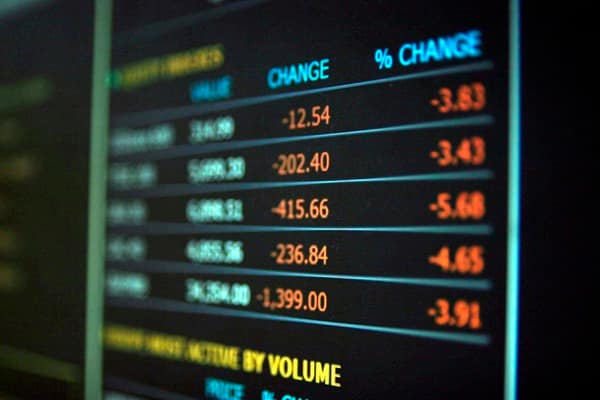
The blue-chip index fell 1.6 per cent on Friday morning as investors dumped technology stocks, pharmaceutical companies and internationally exposed businesses following a bruising session on Wall Street and a sharp decline across Asian markets.
The sell-off has erased approximately $3tn from the value of major US equities, with investors increasingly questioning whether the extraordinary rally in artificial intelligence shares can be sustained.
The Nasdaq 100, dominated by technology heavyweights, plunged 6.4 per cent overnight, while the broader S&P 500 closed 4.4 per cent lower. Semiconductor companies were among the worst affected, with Nvidia, whose processors underpin many AI systems, falling more than 9 per cent.
Tesla shares dropped approximately 10 per cent, while SpaceX declined around 9 per cent, dealing a further blow to Elon Musk’s business empire.
The losses reflect growing concern that technology valuations have become disconnected from the commercial returns companies can realistically deliver. Investors are also reassessing the political outlook following the Democrats’ victories in the US midterm elections, with fears that a changing balance of power in Washington could slow the pace of AI expansion.
Concerns about an overheated market have been building for months, with some investors questioning whether the enormous sums being committed to artificial intelligence infrastructure will ultimately generate sufficient returns.
President Donald Trump responded to the turmoil by blaming Democrats in a post on Truth Social.
“The stock market suffered one of the worst days in history,” he wrote, attributing the market turbulence to the opposition party.
The market rout had already spread across Asia before European trading began. Japan’s Nikkei plunged approximately 6 per cent, falling below 60,000 points for the first time since May, with technology companies SoftBank and Kioxia contributing heavily to the decline.
South Korea’s Kospi also suffered sharp losses as investors retreated from semiconductor stocks, highlighting the vulnerability of Asian markets to a reversal in global enthusiasm for AI.
European equities followed suit. France’s Cac 40 opened 1.2 per cent lower, while Germany’s Dax fell 1.5 per cent. London’s domestically focused FTSE 250 declined around 0.8 per cent.
UK technology companies were not spared, with Raspberry Pi and IQE among the stocks falling during early trading.
Susannah Streeter, chief investment strategist at Wealth Club, said the turmoil had rapidly spread from the US into international markets.
“The tech sell-off has intensified, with the pain of the brutal sell-off on Wall Street carried straight through to Asia and knocking sentiment in Europe.”
She noted that the FTSE 100’s relatively limited exposure to technology companies offered some protection, but warned that its multinational constituents remained vulnerable to weakness in the wider global economy.
Ipek Ozkardeskaya, senior analyst at Swissquote, suggested the latest collapse could reflect a deeper reassessment of investor enthusiasm for artificial intelligence.
“The memory-chip bubble there had already burst around June, with investors heading towards the exit all at the same time, as everyone wondered when the AI frenzy would come to an end.
“It is possible that we have reached boiling point in Nasdaq too, and now value has started evaporating.”
The sell-off raises fresh questions over whether the AI investment boom is entering a more difficult phase. While technology companies have driven much of the recent market rally, investors are increasingly demanding evidence that massive spending will translate into sustainable earnings.
For London, the immediate damage may be cushioned by the FTSE 100’s exposure to energy, mining and financial companies. But as global markets reassess the value of technology and growth stocks, Britain’s blue-chip companies are unlikely to remain insulated from a prolonged retreat in investor confidence.


Leave a Comment