
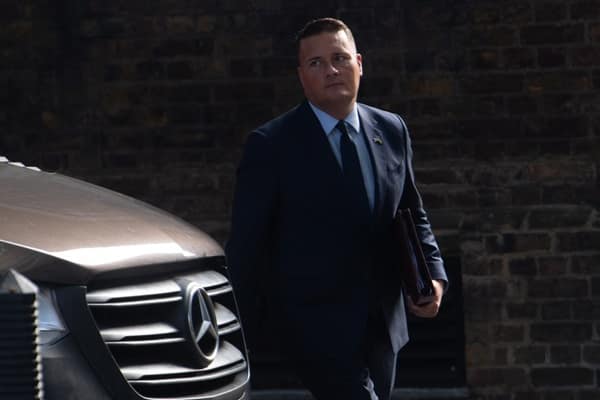
Britain wants to reopen additional communication channels with Moscow, including direct military-to-military contact, in a move Defence Minister Wes Streeting said could reduce the risk of accidental escalation between the two countries.
In an interview with the Financial Times published on Tuesday, Mr Streeting argued that maintaining dialogue was important even as relations between London and Moscow remain frozen following Russia’s full-scale invasion of Ukraine in February 2022.
“We have our embassy in Moscow. That is an important channel,” he said. “I would much prefer there to be additional channels too, particularly military-to-military level.”
“There is always a risk of miscalculation and that’s why having that direct communication is important,” he added.
Read more related news:
‘Remember, it can always get worse’: UK’s emergency warning through the eyes of someone living in Ukraine
‘Suicidal assaults’ with ‘one less invader every 29 seconds’ as Russia suffers record 2,980 casualties in a single day
The remarks mark a notable opening towards practical engagement with Russia, despite the UK’s longstanding policy of avoiding direct bilateral contact with Russian ministers since the invasion.
They also come at a sensitive moment in the conflict, with Russian and Ukrainian officials preparing for two days of US-brokered talks on Tuesday — their first such meeting since February. Donald Trump suggested last week that a broader settlement to the four-and-a-half-year war could be possible, potentially incorporating Europe’s security arrangements.
Diplomatic contact between Moscow and European capitals has been rare. One exception came in September, when Russian Foreign Minister Sergey Lavrov met his German counterpart, Johann Wadephul, on the sidelines of the United Nations General Assembly in New York.
Mr Wadephul urged Moscow to abandon what Germany described as a “dangerous path of escalation” towards Europe and NATO, while signalling that improved relations would require a genuine willingness by Russia’s leadership to end the war. Mr Lavrov subsequently defended the invasion in his UN address and criticised western governments.
Streeting’s intervention suggests London is considering whether limited communication can serve a security purpose without signalling a wider diplomatic thaw.
The distinction is important: direct military contact would not amount to normalising relations, but could provide a channel to manage incidents before they spiral into a confrontation.
Prime Minister Andy Burnham said last week that Vladimir Putin would not attend the G20 summit in Manchester because of British sanctions.


Leave a Comment