
Fire safety remains one of the most important legal responsibilities for property owners, landlords, employers and businesses across London. Yet many people are still unsure about what the law requires or whether their current fire safety measures are sufficient.
As regulations continue to evolve and enforcement becomes stricter, ensuring compliance is no longer just a box ticking exercise. Failing to meet your obligations can lead to substantial fines, legal action, business disruption and most importantly, serious risks to life.
If you own, manage or occupy a commercial property, rental property or shared residential building in London, understanding Fire Risk Assessments is essential. This guide explains what they are, who needs them, and how to ensure you remain legally compliant in 2026.
Let’s get started.
What is a fire risk assessment?
A Fire Risk Assessment (FRA) is a structured review of a property that identifies potential fire hazards, evaluates risks to occupants and recommends measures to reduce those risks.
The purpose of the assessment is to prevent fires from occurring and to ensure that people can safely evacuate if a fire does happen.
A comprehensive Fire Risk Assessment typically examines:
- Sources of ignition
- Combustible materials and fire hazards
- Fire detection and alarm systems
- Emergency lighting
- Escape routes and exits
- Fire doors and compartmentation
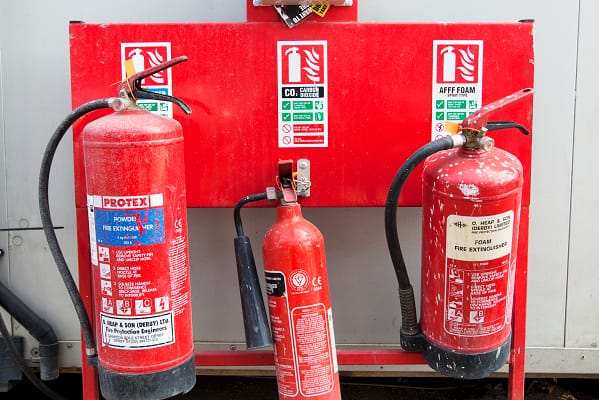
- Firefighting equipment
- Staff training and evacuation procedures
- Risks to vulnerable occupants
The assessment should also include an action plan outlining any improvements needed to meet legal requirements.
Is a fire risk assessment a legal requirement?
Yes. Under the Regulatory Reform (Fire Safety) Order 2005 most non-domestic premises in England must have a suitable and sufficient Fire Risk Assessment.

Photo by Jakub Zerdzicki on Pexels
This legislation places responsibility on the “Responsible Person,” who may be:
- A business owner
- An employer
- A landlord
- A facilities manager
- A managing agent
- A building owner
- HMO landlord
The Responsible Person must identify fire risks, implement appropriate safety measures and review the assessment regularly.
In 2026, compliance remains a legal obligation and authorities continue to take enforcement action against businesses and property owners that fail to meet their responsibilities.
Who needs a fire risk assessment in London?
One of the biggest misconceptions is that Fire Risk Assessments only apply to large businesses. In reality, a wide range of properties require an assessment.
Commercial premises
Businesses operating from offices, shops, warehouses, restaurants, salons, gyms and industrial units generally require a Fire Risk Assessment.
Even smaller businesses with only a few employees may still have legal obligations.
Residential blocks
Purpose-built flats and apartment buildings with shared communal areas require Fire Risk Assessments for common spaces such as:
- Stairwells
- Corridors
- Entrance halls
- Plant rooms
- Bin storage areas
Houses in Multiple Occupation (HMOs)
Landlords managing HMOs have specificfire safety responsibilities and often require professional assessments to demonstrate compliance.
Educational Facilities
Schools, colleges, nurseries and training centres must assess and manage fire risks to protect students, staff and visitors.
Healthcare Premises
Care homes, clinics, dental practices and healthcare facilities often require detailed assessments due to vulnerable occupants.
Hospitality and Leisure Venues
Hotels, guest houses, pubs, bars and entertainment venues typically face higher fire risks and require robust fire safety management.
What has changed in recent years?
Following several high-profile fire safety incidents, legislation and guidance have been strengthened significantly. Property owners and managing agents are now expected to take a more proactive approach to fire safety.
Key areas receiving greater attention include:
Building information
Building owners are expected to maintain accurate records relating to fire safety systems and building construction.
Fire door inspections
Routine inspection and maintenance of fire doors have become increasingly important in multi-occupied residential buildings.
Evacuation planning
Clear evacuation procedures and communication strategies are essential, particularly in larger residential and commercial buildings.
Competency requirements
Fire Risk Assessments should be carried out by individuals with sufficient knowledge, training and experience.
Many property owners now choose qualified fire risk assessors to ensure compliance and reduce liability.
What happens during a fire risk assessment?
A professional Fire Risk Assessment usually follows a systematic process.
Property inspection
The assessor conducts a thorough inspection of the building, identifying hazards and reviewing existing fire safety measures.
Risk evaluation
Potential fire risks are assessed based on the likelihood of occurrence and the potential consequences.
Compliance review
The assessor evaluates whether current arrangements meet legal requirements and recognised industry standards.
Recommendations
A detailed report is produced outlining:
- Areas of concern
- Risk levels
- Recommended actions
- Compliance improvements
- Review requirements
Action plan
Property owners receive guidance on prioritising and implementing necessary improvements.
Consequences of non compliance
Many property owners underestimate the risks of neglecting fire safety responsibilities.
The consequences can be severe.
Financial penalties
Enforcement authorities can issue substantial fines for fire safety breaches.
Legal action
Serious violations may result in prosecution and criminal convictions.
Business disruption
Authorities can restrict building use or order premises to close until deficiencies are addressed.
Insurance issues
Failure to comply with fire safety regulations may affect insurance claims following a fire incident.
Reputational damage
Businesses found to be non-compliant can suffer significant reputational harm among customers, tenants, and stakeholders.
Most importantly, inadequate fire safety measures place lives at risk.
How often should a fire risk assessment be reviewed?
A Fire Risk Assessment is not a one-time requirement. It should be reviewed regularly and updated whenever significant changes occur.
Common reasons for a review include:
- Building alterations
- Changes in occupancy
- New equipment installation
- Changes in business operations
- Fire incidents or near misses
- Updated legislation or guidance
Many organisations conduct annual reviews to ensure continued compliance and effectiveness.
Why professional fire risk assessments matter
Although some smaller premises may be capable of carrying out basic assessments internally, professional assessments often provide greater confidence and accuracy.
Qualified assessors understand:
- Current legislation
- Industry best practices
- Fire safety standards
- Risk management principles
- Compliance requirements
They can identify issues that may be overlooked during internal reviews and help organisations avoid costly mistakes.
Choosing a fire risk assessment provider in London
Not all fire risk assessment services offer the same level of expertise.
When selecting a provider, consider:
- Relevant qualifications and certifications
- Experience with similar properties
- Knowledge of London-specific requirements
- Comprehensive reporting
- Clear recommendations
- Ongoing support and advice
A professional fire risk assessment should provide practical guidance, not just a compliance document.
Final words: Protect your property, people, and business
Whether you manage a commercial property, residential block, HMO, office or hospitality venue, maintaining fire safety compliance should be a top priority.
A professionally conducted Fire Risk Assessment helps identify hazards before they become serious problems, ensures legal compliance, and provides peace of mind for property owners, employees, tenants, and visitors.
By taking a proactive approach to fire safety in 2027, London property owners can reduce risks, avoid penalties, and create safer environments for everyone who uses their buildings.


Leave a Comment