
London winters may be milder than those in other parts of the UK, but cold snaps, heavy rain and long spells of damp weather still put a strain on your home. Heating systems are pushed hard, pipes become vulnerable to freezing and minor faults have a habit of turning into major repairs when you least expect them.
A little preparation goes a long way. Many tasks can be handled by yourself in an afternoon, while others are best left to qualified professionals who provide plumbing services in London and understand the quirks of the capital’s varied housing stock. This guide covers the essentials and explains how different property types face different challenges.
Check your boiler and radiators
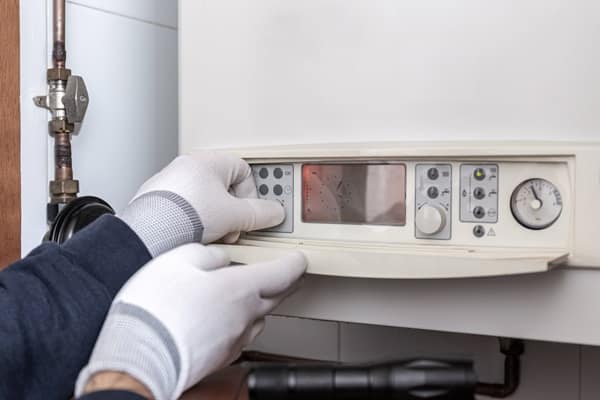
Start with the heart of your heating system. Turn the heating on before the weather turns cold, so any problems show up while engineers are less busy. Listen for unusual noises, check that hot water comes through quickly and look at the pressure gauge. Many systems read between 1 and 1.5 bar when cold, but your boiler manual will confirm the right range.
Next, go round every radiator. If any feel cold at the top, bleed them to release trapped air, then recheck the pressure. Radiators that stay cold at the bottom may have sludge build-up, which usually needs a professional flush. Finally, book an annual service with a Gas Safe registered engineer, as gas work must only be carried out by qualified professionals.
Look for hidden plumbing leaks
Leaks are not always obvious. Check under sinks, behind toilets and around the bath for damp patches, staining or a musty smell, and look at ceilings below bathrooms for discolouration. A useful test is to take a water meter reading, avoid using any water for a couple of hours, then read it again. If the numbers have changed, there may be a hidden leak.
Insulate vulnerable pipes
Any pipework in unheated spaces, such as lofts, garages, cellars and under suspended timber floors, is at risk of freezing. Fit foam lagging to accessible pipes and make sure cold-water tanks in the loft are insulated too. Don’t forget the condensate pipe on a condensing boiler, which often runs outside and can freeze, causing the boiler to shut down. If it does freeze, pouring warm (not boiling) water over the pipe can usually thaw it.
Keep an eye on water pressure
Low water pressure can be a sign of a leak, a partially closed valve or a problem with the supply. A sudden drop in boiler pressure, in particular, may point to a leak in the heating system. Note your normal readings now so you can spot changes over the winter. If pressure keeps falling, call a professional rather than repeatedly topping it up.
Clear gutters and check drainage
Autumn leaves and debris can block gutters and downpipes, causing water to overflow and soak into walls. Clear gutters once the trees have shed, check that downpipes discharge freely and make sure external drains are not clogged. While you are outside, check the roof from ground level for slipped or missing tiles, which can let water in during winter storms. If gutters are high or hard to reach, use a professional rather than risking a fall.
Maintain good ventilation
Draught-proofing helps keep heat in, but homes still need to breathe. Keep air bricks clear, use extractor fans in kitchens and bathrooms, and open trickle vents where you have them. Good airflow reduces condensation and the risk of damp and mould.
How your property type affects winter maintenance
Victorian terraces often have suspended timber floors, older pipework and solid walls. Pay particular attention to pipes under floors and in cellars, and make sure air bricks are not blocked.
Converted flats can have complex, shared plumbing arrangements. Find out where your stopcock is, as it may not be inside your flat, and understand which pipes are your responsibility. A leak can quickly affect neighbours below.
Modern apartments tend to be well insulated but can suffer from condensation if ventilation is poor. Check that extractor fans and any mechanical ventilation systems are working properly.
Knowing when to call a professional
Bleeding radiators, fitting pipe lagging, clearing accessible gutters and monitoring pressure are all manageable DIY tasks. However, anything involving gas, boiler repairs, persistent leaks, unexplained low pressure or the main water supply should be handled by a qualified plumber or heating engineer. Acting early is almost always cheaper than dealing with a burst pipe in January.
A few hours of preparation now can help keep your home warm, dry and trouble-free all winter.


Leave a Comment