
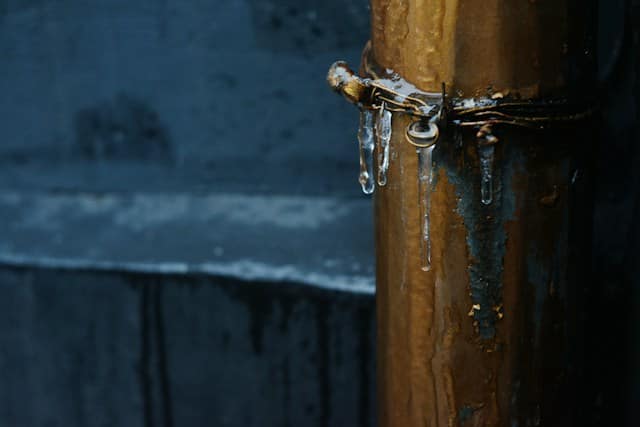
Most small firms plan for rising energy bills. Far fewer plan for the morning a pipe splits behind the stockroom wall. In a café in Harlesden or a print shop in Wembley Park, that one failure can stop trading before the kettle boils.
The fix is rarely complicated, but the phone call often is. Owners who already know who to ring lose hours, not days. In Brent and the streets around it, Wembley Plumbers 247 is one local name to keep on that list. Its Gas Safe registered engineers take emergency calls around the clock. The rest of this guide sets out what a failure costs and how to get ahead of it.
Why does winter hit small premises so hard?
Cold weather finds the weak points that summer hides. A pipe in an unheated back corridor can sit below freezing for a whole night. When the ice expands, the joint gives way, and the leak starts as the thaw arrives.
Small premises carry three extra risks:
- Empty buildings. Shops and offices often close for a week over Christmas, with the heating switched off to save money.
- Older stock. Much of North London’s high street sits in Victorian and interwar terraces, with pipework that has been patched for decades.
- Shared systems. A flat above a shop may share a supply with the unit below, so one leak can affect two businesses and a tenant.
Damp follows any leak that is left too long. The site has already covered why damp is a growing problem for UK landlords, and an unnoticed winter leak is one of the quickest routes to it.
What can one failure actually cost?
The repair bill is usually the smallest number. The larger costs come from the days around it. Take a simple example: a café that turns over £1,500 on a busy Saturday and loses its hot water on Friday night.
Here is where the money goes:
- Lost trading. No hot water usually means no food service, so the weekend takings are gone.
- Stock. Flooded flooring, wet packaging and spoiled chilled goods all need replacing.
- Staff. Wages are still due for shifts that cannot run.
- Insurance excess. The excess is the part of a claim you pay yourself, and many commercial policies carry an excess that eats into any claim on a small loss.
- Reputation. A “closed today” sign on a Saturday sends regulars to a competitor down the road.
For a landlord, the picture is different but no cheaper. A tenant without heating or hot water can reasonably expect a fast repair. A slow response can lead to complaints, a rent dispute or a tenant who leaves at the end of the term.
What do landlords owe tenants on gas safety?
The rules here are not optional. Under the Gas Safety (Installation and Use) Regulations 1998, a landlord must keep gas appliances, fittings and flues in a let property safe. Every appliance the landlord provides needs a safety check each year by a Gas Safe registered engineer.
The paperwork matters as much as the visit. The National Residential Landlords Association sets out the main points landlords need to track:
- A check every 12 months on each gas appliance and flue the landlord supplies.
- A copy of the record for existing tenants within 28 days of the check.
- A copy for new tenants before they move in.
- Records kept for at least two years.
Photo by hessam nabavi on Unsplash
Alt text: A thermostatic valve fitted to the side of a white radiator
Business owners who run gas appliances at work carry a duty too. A boiler serving an office or kitchen must be kept in safe working order. Book the annual visit in early autumn, before engineers fill their diaries with breakdowns.
How should you choose an engineer before you need one?
Choose in October, not at 2am in January. A calm comparison now saves a rushed decision later. Use this short checklist:
- Gas Safe registration. The Gas Safe Register is the official list of engineers allowed to work on gas, so ask to see the engineer’s ID card.
- Coverage and hours. Confirm the firm covers your postcode and answers calls at weekends and on bank holidays.
- Clear pricing. Ask how the call-out rate works and whether you get a fixed price before work starts.
- Insurance. A firm with public liability insurance protects you if a repair causes damage.
- Commercial work. Check the firm takes business premises as well as homes.
Save the number in the phones of everyone who opens or closes the building. A contact that only lives in the owner’s head is no help when the owner is on holiday.
What goes on a one-page winter plan?
Keep the plan short enough to pin by the back door. The basics are simple: find the stop tap, lag exposed pipes and keep a registered plumber’s number handy. That is the core of the winter advice from CCW, the water consumer watchdog. A stop tap is a valve that shuts off the mains supply to the building.
A business version adds a few lines:
- Where the stop tap is, with a photo, and who can reach it.
- Which pipes run through cold spaces, and whether they are lagged.
- The heating setting for closures, usually low rather than off.
- The keyholder rota for the Christmas break.
- Your plumber’s number, your insurer’s claims line and your policy number.
Heating needs a check before the cold too. Bleeding home heating radiators and listening for noisy pipes takes minutes. The same habits work in a small office or a flat above a shop.
Planning before the first frost
A winter plumbing failure is a business continuity problem, not just a maintenance one. The firms that cope best have three things ready: a current gas safety record, a short written plan and a trusted engineer on speed dial. None of it costs much, and all of it is cheaper than a lost weekend of trade.
Frequently Asked Questions
How often does a landlord need a gas safety check?
Every 12 months. Each gas appliance and flue the landlord provides needs a check by a Gas Safe registered engineer, with the record passed to tenants.
Can any plumber repair a gas boiler?
No. Work on gas appliances in the UK must be done by an engineer on the Gas Safe Register. A plumber without that registration can still handle water pipes and drains.
What should staff do first when a pipe bursts?
Turn the water off at the stop tap. Then switch off the boiler and any electrics near the leak, and call your plumber.
Should an empty shop keep its heating on over christmas?
Usually, yes, on a low setting. A little heat keeps pipes above freezing and costs far less than a flood when staff return.



Leave a Comment