
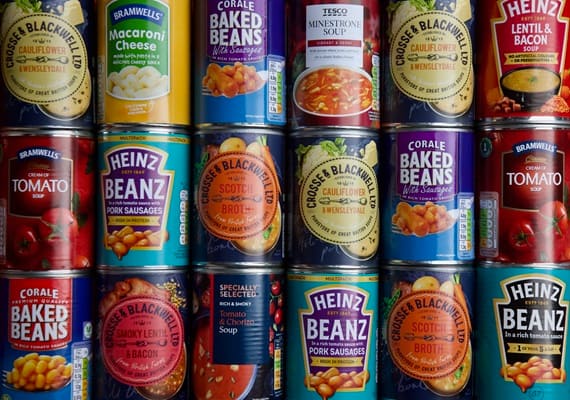
Britons have been rushing to stockpile tins, bottled water and other emergency essentials after a Government warning about potential cyber attacks and disruption to vital supplies prompted shoppers to prepare for the possibility of a national crisis.
Supermarkets reported a surge in demand for long-life food following the launch of the Government’s Be Ready campaign, with official figures revealing that food store sales rose by 0.8 per cent in October – their strongest monthly increase in six months.
The increase provides a striking indication of how seriously households are taking warnings about Britain’s vulnerability to increasingly sophisticated cyber attacks and potential disruption to essential services.
In October, Defence Secretary Wes Streeting urged households and businesses to prepare for possible emergencies, advising families to keep sufficient supplies to survive for at least three days without access to normal services.
The Government recommended storing bottled water and non-perishable food, alongside essentials including hand sanitiser, torches and blankets.
The advice came amid growing concerns over cyber attacks targeting the retail industry, with supermarket refrigeration systems and suppliers among the infrastructure vulnerable to disruption across Europe.
The Office for National Statistics (ONS) said supermarkets had specifically reported stronger demand for “long-life items such as tinned goods and UHT milk”, attributing part of the increase to the Government’s preparedness campaign.
The stockpiling effect helped drive a broader recovery across Britain’s retail sector, with overall sales volumes increasing by 0.7 per cent during October.
That was considerably stronger than economists had anticipated, having forecast a marginal contraction of 0.1 per cent.
It also marked a reversal of September’s 0.6 per cent decline, which was itself revised down from an initial estimate of 0.4 per cent.
Supermarkets also benefited from renewed demand for clothing as cooler autumn weather encouraged shoppers to purchase seasonal ranges after an unusually warm September had initially dampened sales.
Clothing and footwear retailers recorded a 1.5 per cent increase in sales volumes, while falling motor fuel prices helped offset pressure on household spending.
Fuel sales volumes fell by 2.2 per cent during the month, reflecting the impact of higher prices on motorists.
Across the three months to October, retail sales volumes increased by 0.4 per cent compared with the preceding three-month period.
ONS chief economist Grant Fitzner said: “Retail sales rose in the latest three months, led by food stores.
“Meanwhile fuel sales have been recovering from earlier low levels, despite pump prices rising again.”
Nicholas Found, head of commercial content at Retail Economics, said: “October’s rebound came as shoppers stocked their cupboards and refreshed their wardrobes.
“Supermarkets benefited from a lift in long-life food following the Government’s Be Ready campaign.
“Clothing sales strengthened as autumn ranges and better stock availability gave shoppers more reason to buy.”
The figures suggest the Government’s emergency preparedness message has begun influencing everyday consumer behaviour, with households increasingly considering how they would cope if cyber attacks or interruptions to essential supplies disrupted normal life.
While the broader retail recovery offers some encouragement for Britain’s struggling high street, the surge in demand for emergency provisions provides a more sobering reflection of the concerns confronting consumers.


Leave a Comment