
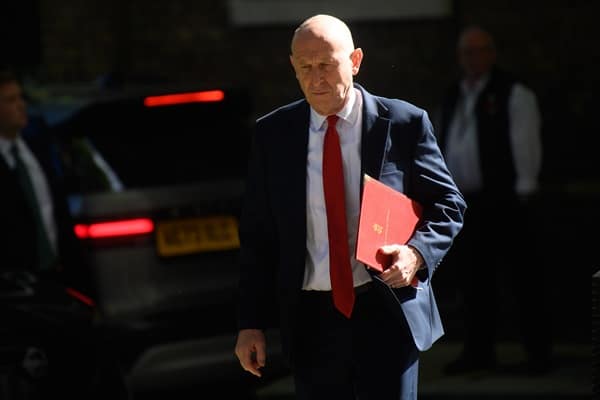
Britain’s spiralling debt interest bill has pushed Government borrowing to £17 billion in October, exposing the mounting financial pressures confronting Chancellor John Healey as the cost of servicing the national debt reaches unprecedented levels.
Record interest payments of £11.2 billion last month – the highest October figure since records began – delivered a fresh blow to the public finances, intensifying concerns over the Government’s ability to meet its fiscal commitments without imposing further pressure on taxpayers or public services.
Figures from the Office for National Statistics (ONS) showed debt interest payments were £2.8 billion higher than in October last year, marking only the ninth occasion since records began in 1997 that monthly interest costs have exceeded £10 billion.
The surge helped push public sector net borrowing £800 million higher year on year, an increase of 5.2 per cent. Although the £17 billion total was marginally below economists’ forecasts of £18 billion, the underlying figures offered little reassurance about the longer-term health of Britain’s finances.
The scale of the problem was already apparent in last month’s Budget, when Healey was forced to slash his fiscal headroom – the financial buffer available to meet his borrowing rules – from £26 billion to just £15 billion in 2029-30.
The reduction followed a £14 billion increase in projected debt interest costs over the past year, leaving the Chancellor with considerably less room to absorb economic shocks or unexpected spending pressures. His headroom is expected to recover to £22 billion by 2031.
There was some relief in the broader borrowing figures. Government borrowing during the financial year to date reached £111.3 billion, £7.3 billion, or 6.1 per cent, below the equivalent period last year.
However, the total remains the third highest on record, behind the pandemic year of 2020 and 2024. A £3.6 billion downward revision to previously published monthly figures also helped improve the latest comparison.
ONS chief economist Grant Fitzner said: “Borrowing so far this financial year remained lower than in the same period last year with receipts growing faster than spending.
“Income-related taxes’ receipts grew particularly strongly.
“However, monthly borrowing was up on last October, partly due to higher debt interest.”
Britain’s total public sector debt has now reached approximately £3.1 trillion, having crossed the £3 trillion threshold for the first time in September. Debt stood at 95.8 per cent of gross domestic product, compared with 93.9 per cent a year earlier.
The outlook is increasingly uncomfortable. The Office for Budget Responsibility (OBR), the independent fiscal watchdog, warned in its October assessment that borrowing would exceed its previous March forecasts in every year covered by its latest projections.
The watchdog expects borrowing to be approximately £18 billion higher than previously anticipated this year, £16 billion higher in 2027-28 and an average of £11 billion annually thereafter.
Chief Secretary to the Treasury Emma Reynolds defended the Government’s record, saying: “This year we’ve cut borrowing faster than any other G20 country.
“Now we’re going to cut waste and bureaucracy by reprioritising spending and making public services more efficient with AI.”
Rob Wood, of Pantheon Macroeconomics, said the figures offered some encouragement for the Chancellor, with October borrowing apparently below the expectations set out in the Budget.
But he warned that the underlying challenges remained unresolved.
“The October Budget did little to address the more serious challenges facing the public finances, so we continue to have doubts about the Government’s ability to follow through on its fiscal plans, suggesting upside risks to borrowing in the coming years.”
For Healey, the figures underline the increasingly narrow path between controlling Britain’s ballooning debt, protecting public services and avoiding further tax increases. With interest payments consuming ever-larger sums of public money, the cost of servicing yesterday’s borrowing is becoming one of the most formidable obstacles to the Government’s economic ambitions.


Leave a Comment