
The Middle East conflict has exposed sharp differences in the resilience and export flexibility of the region’s three energy giants, ADNOC, Saudi Aramco and QatarEnergy, while intensifying pressure on their investment priorities and operational resources.
Although all three national oil companies (NOCs) have demonstrated resilience, the disruption has increased competition for capital, technical expertise and management attention. It has also reinforced the importance of partnerships as they seek to protect existing operations and pursue growth at home and abroad.
Bypass routes, ship-to-ship transfers and the partial reopening of the Strait of Hormuz have enabled Aramco and ADNOC to increase their combined operating cash flow by about $35bn, or 25 per cent, compared with pre-war estimates.
But the recovery remains vulnerable. Alternative export routes carry their own security risks, underscored by Houthi attacks on the East-West pipeline and shipping in the Red Sea. Flows through Hormuz have yet to return fully, while the improved cash position of the Saudi and Emirati groups depends partly on elevated oil prices.
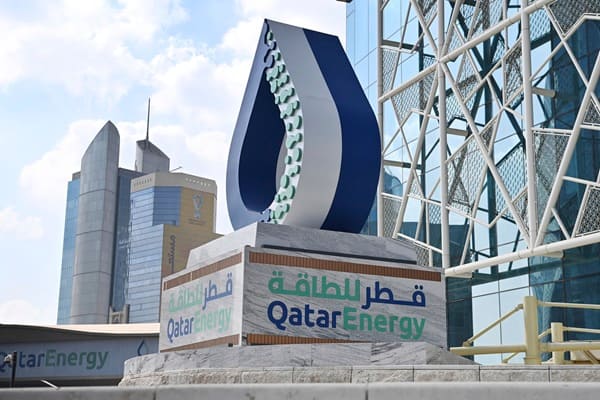
QatarEnergy has suffered the greatest disruption, arriving at a critical moment for its expansion programme. The company had been preparing to increase liquefied natural gas capacity from 77mn tonnes a year to 142mn tonnes through its North Field development.
In the immediate aftermath, restoring production and reinforcing export resilience are the priorities for all three companies. Longer term, however, the conflict is expected to influence decisions on domestic resource development, international partnerships and mergers and acquisitions.
“The conflict has increased the number of competing priorities facing Middle East NOCs,” said Neivan Boroujerdi, director of corporate research at Wood Mackenzie.
“ADNOC, Aramco and QatarEnergy all face different challenges, but each is balancing domestic expansion, international growth and resilience simultaneously. Capital is not the constraint. Access to technology, markets and operational capability will shape the next phase, strengthening the role of partnerships across the sector.”


Leave a Comment