
Net migration into Britain has fallen to just 77,000, its lowest level in almost three decades, according to figures released by the Office for National Statistics, giving the Government a significant political victory on one of the country’s most contentious issues.
The latest total represents the lowest level since 1997, although the comparison excludes figures recorded during the Covid pandemic.
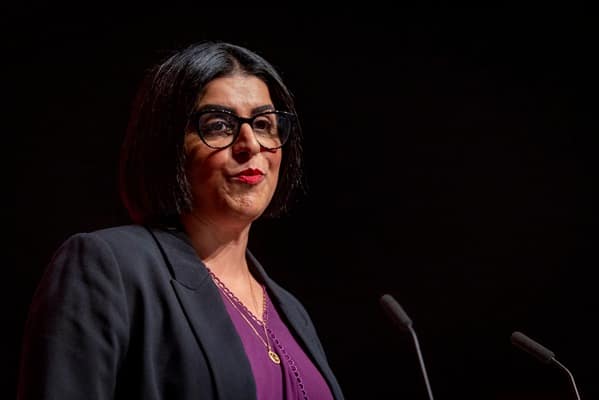
Home Secretary Shabana Mahmood seized on the figures as evidence that Labour had succeeded where its predecessors had failed, declaring: “This Government has restored control.”
Net migration has fallen by 92 per cent from its previous peak under the Conservatives, she said, adding: “Where they failed, we have delivered for the British people.”
The figures come as the Government attempts to demonstrate that its immigration reforms are reducing pressure on public services and the labour market. But the headline decline masks a more complicated picture, with non-European migration still accounting for the overwhelming majority of arrivals and permanent settlement reaching record levels.
Home Office statistics show that 692,000 non-visitor visas were issued to people entering Britain in the year to September 2026.
Although non-EU migration drove the downward trend, 550,000 non-European nationals arrived during the period, compared with 292,000 who left. That left net non-European migration at 258,000, with arrivals from outside Europe accounting for 75 per cent of everyone entering the country.
The data also recorded 137,000 British nationals and 45,000 Europeans leaving the UK.
Meanwhile, applications for British citizenship reached a record 320,000 in the year ending September, a 17 per cent increase on the previous 12 months.
The number of people granted indefinite leave to remain (ILR) was also the highest since records began in 2012. More than 240,000 people received the status, representing an increase of over half compared with the previous year.
That figure presents a fresh challenge for Mahmood, who has proposed reforms requiring most migrants to wait ten years before qualifying for permanent settlement.
Following pressure from Labour backbenchers, however, she softened the proposals for people working in the care sector, who will now face a five-year qualifying period.
The figures also show a fall in asylum claims. The number of people seeking asylum after arriving illegally dropped by 33 per cent to 74,000. Nevertheless, the total remains substantially higher than levels recorded between 2004 and 2021.
Across the different migration categories, the number of people coming to Britain for work fell by 45,000, asylum claims declined by 19,000 and arrivals for study dropped by 33,000.
Mahmood said the reduction had been achieved through deliberate Government action.
“This didn’t happen by accident. It happened because this government took action,” she said.
“But we won’t stop here. Our reforms are restoring control and building a fairer immigration system that rewards contribution.”
The figures also fulfil a long-standing pledge made by successive Conservative governments to bring annual net migration below 100,000.
Shadow Home Secretary Chris Philp nevertheless claimed the decline was largely the result of measures introduced by the previous administration.
“The fall in net migration is mainly a result of changes made by the previous Conservative government,” he told GB News.
He called for an annual, legally binding migration cap set by Parliament at a substantially lower level, arguing that non-EU immigration remained too high while British and European nationals were leaving.
Philp claimed that British families were paying the price through lower wages, longer waits for GP appointments, unaffordable housing and a growing benefits bill.
“Mass low-skilled immigration must end completely as it is bad for our economy and corrosive to our society,” he said.
He also attacked Mahmood’s changes to settlement rules, describing them as a “shameful U-turn” that would allow earlier permanent settlement, benefits and citizenship for low-skilled migrants.
The Government will hope the dramatic fall in net migration strengthens its claim to have restored control. But with non-European arrivals still substantially exceeding departures, and permanent settlement at record levels, the political argument over who is coming to Britain — and on what terms — is far from over.


Leave a Comment