
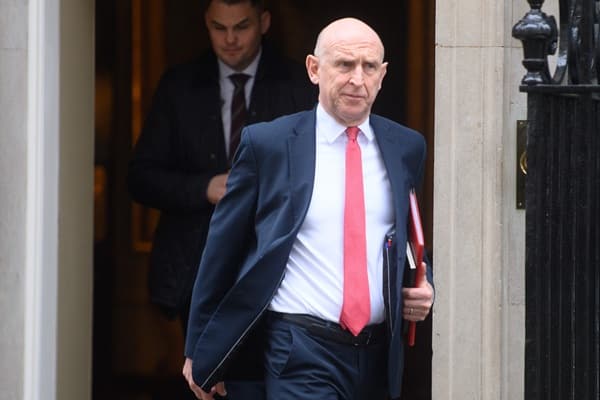
John Healey has given Britain’s biggest banks a temporary tax increase. The question now is whether they absorb the cost or find ways to pass some of it on to customers.
The Budget raises the bank surcharge by three percentage points, from 3% to 6%, for 15 months from January. It applies to banks’ chargeable profits above £100 million. The Chancellor said the measure would ask banks to contribute more towards helping households with rising costs.
The tax is on profits, not deposits
The surcharge is charged on bank profits, in addition to corporation tax. It does not directly tax customers’ savings or the money in their current accounts. Nor does it automatically mean that banks will raise fees or cut savings rates.
But banks can respond to higher costs in different ways. They may accept lower profits, reduce other costs, adjust the rates they offer savers, increase charges, or change how much they lend and on what terms. The effect may vary between banks, and any changes would sit alongside other pressures on their business.
Savers and borrowers should watch the small print
Customers are unlikely to see a separate “bank tax” line on their statements. Any effect, if banks pass on some of the cost, is more likely to appear in less generous savings rates, higher account charges or changes to lending offers.
That possibility is not a prediction. The surcharge is temporary, and banks will make decisions based on competition, funding costs and their own business plans as well as tax. Customers should compare the whole deal, including account fees, savings rates and borrowing terms, rather than assume every change is caused by the Budget.
Investors face a different calculation
Shareholders could feel the effect more directly if the surcharge reduces profits available for dividends or investment. The market’s initial reaction suggests investors had feared a larger or permanent increase. The final measure is limited to 15 months, but its impact will depend on how much each bank earns in the UK and how it responds.
The Budget’s decision to keep the Cash ISA limit at £20,000 may also matter to banks. Cash ISA deposits are a source of funding for lenders, including building societies, which use deposits to support mortgage lending. The Government has also said it will work with the sector on a new Starter ISA to encourage first time investors.
Who ultimately bears the cost?
The surcharge is formally paid by banks. Whether customers, shareholders or bank employees bear any indirect cost will depend on how lenders respond. That will become clearer in their pricing, results and lending decisions over the coming months.
For customers, the practical step is to keep comparing rates and fees. For investors, the key questions are how much of each bank’s profits are affected and whether the tax changes its plans for dividends, investment or lending.


Leave a Comment