
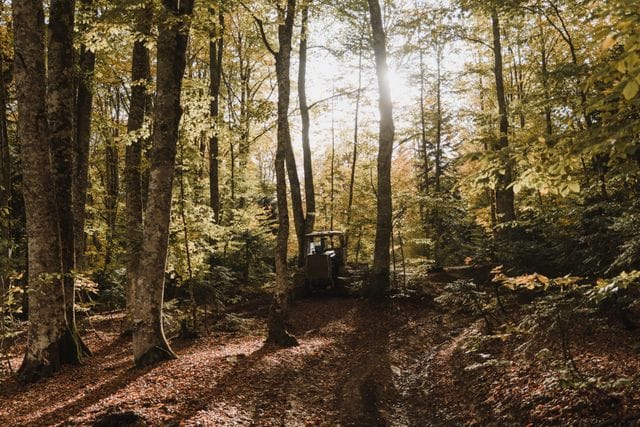
Forests cover nearly 30 percent of the planet’s land area and provide raw materials for 100s of construction applications. Unchecked logging harms ecosystems and reduces natural carbon storage capacity.
Responsible forestry offers a structured framework that balances commercial harvesting with long-term ecological conservation. Timber industries can secure reliable raw materials without depleting critical wild resources by adopting smart management techniques today.
Understanding The Foundations Of Responsible Forestry
Sustainable forest management relies on selective harvesting rather than clear-cutting vast tracts of land. Loggers remove mature trees in controlled patterns to allow younger saplings to thrive under natural sunlight.
This cycle keeps forest canopies intact and preserves delicate topsoil from erosion during heavy rainfall. Field crews inspect cutting areas annually to track growth rates and prevent over-harvesting.
Modern forestry practices aim to maintain natural balances across timber stands during routine operations. Selecting durable wood from certified sources helps builders reduce environmental impacts without sacrificing structural quality. Careful management prevents long-term forest degradation and protects regional wildlife habitats from sudden displacement. Land managers establish buffer zones along streams to keep aquatic ecosystems clean.
Climate Resilience Through Active Forest Stewardship
Healthy woodlands act as major carbon sinks that absorb millions of tons of greenhouse gases each year. Active stewardship maintains forest health by thinning overcrowded stands and clearing dead timber. Removing excess biomass lowers wildfire risks and allows surviving trees to grow thicker and stronger. Forest managers plant diverse tree varieties to build strength against emerging pests and shifting temperatures.
Utilizing timber in construction traps carbon inside long-term building structures for decades. A recent report from the Food and Agriculture Organization highlights how forest products advance climate action and bioeconomy goals when managed correctly.
Strategic partnerships between growers and builders keep global carbon loops balanced for generations. Sustainable timber harvesting converts standing trees into long-lasting carbon storage units across urban environments.
Reducing Carbon Footprints With Reclaimed Materials
Managing fresh timber supplies represents 1 side of the sustainable forestry equation. Cities generate large volumes of discarded lumber during urban redevelopment and demolition projects. Diverting these materials from landfills reduces waste and creates unique building opportunities. Reclaimed beams often offer exceptional strength and distinct character for custom architectural projects.
Repurposing urban timber lowers total carbon emissions across construction supply chains. Findings from a New York City procurement report show that salvaged urban timber reduces the embodied carbon footprint of building materials.
Local municipalities can lower project costs while meeting strict environmental standards through urban salvage programs. Salvage initiatives turn municipal tree removals into valuable raw materials for local woodworking projects.
Key Benefits Of Sustainable Timber Practices
Adopting certified forestry methods creates lasting ecological and structural advantages across multiple sectors. Implementing these standards helps commercial operators achieve balanced growth and protect natural ecosystems.
- Protects biodiversity by preserving critical nesting grounds for native species.
- Maintains soil stability to lower runoff into surrounding river basins.
- Secures dependable supply streams for long-term commercial lumber production.
- Decreases energy demands compared to steel and concrete processing operations.
These benefits show that timber extraction can align with environmental preservation goals. Companies following strict certifications gain stronger consumer trust and predictable material access. Sustainable choices made today protect natural resources for future generations and expand economic stability.
Economic support for rural communities
Forestry industries form the economic backbone of thousands of rural communities globally. Sustainable timber operations generate stable jobs in timber harvesting, processing, and transportation networks.
Local workers receive steady wages through participation in long-term forest care programs. Professional training programs help forestry workers master modern conservation techniques in the field.
Investing in controlled forest practices strengthens local businesses that depend on healthy ecosystems. Communities gain reliable tax revenues to fund public infrastructure, schools, and emergency services.
Strong local economies encourage workers to protect surrounding wilderness areas from illegal land clearing. Rural populations gain financial stability through steady timber harvests year after year.

Photo by Johannes Plenio on Unsplash
Modern innovations in forest management
Technology plays an increasingly important role in monitoring forest health and managing timber yields efficiently. Drones equipped with specialized sensors map tree density and identify diseased foliage across large acreage.
Satellite data allows forest managers to track canopy shifts and plan harvests with high precision. Automated monitoring systems alert management teams to early signs of insect infestations.
Advanced tracking tools confirm that harvested logs trace back to legally managed properties. Digital tags verify sustainability certifications from harvest sites to final retail distributors. Data transparency helps buyers make informed decisions when purchasing materials for construction projects. Supply chain tracking gives consumers full confidence in the ethical origin of their lumber purchases.
Responsible forestry guarantees that timber remains a reliable, renewable resource for construction and manufacturing. Combining selective harvesting, urban timber salvage, and modern tracking creates a durable framework for future resource demands.
Balancing ecological protection with commercial needs secures healthy forests and strong rural economies for decades ahead. Smart management turns timber production into a driver of global environmental stability.


Leave a Comment