
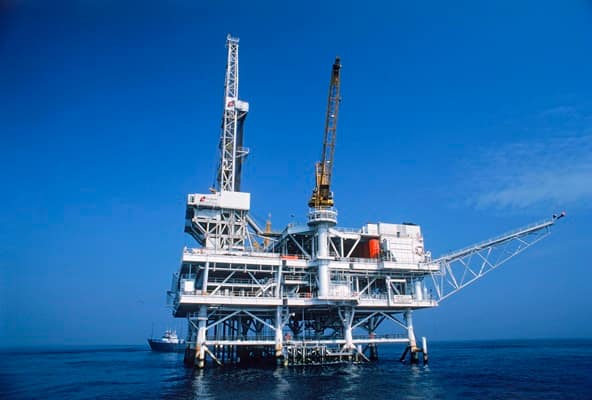
Andy Burnham’s first major energy test has erupted into a battle over Labour’s green credentials, with environmental campaigners accusing the new Prime Minister of preparing to break a flagship election promise by reopening the door to North Sea oil and gas expansion.
Protesters descended on the Department for Energy Security and Net Zero after reports suggested Burnham and his new Energy Secretary Miatta Fahnbulleh are considering approving fresh development at the controversial Rosebank and Jackdaw fields — projects that have become symbols of Britain’s unresolved fight between energy security and climate commitments.
For campaigners, the move would represent a dramatic reversal.
Labour’s 2024 manifesto pledged not to issue new oil and gas licences, a promise that helped define the party’s climate platform. But Rosebank, the UK’s largest undeveloped oil and gas field, and Jackdaw already hold licences granted before the election, leaving the government facing a politically explosive choice over whether to allow them to proceed.
Outside the department, demonstrators from Fossil Free London staged a symbolic protest dressed as firefighters beneath a banner declaring “world on fire”, accusing ministers of abandoning climate commitments in pursuit of short-term energy security.
The group argued that approving new drilling would undermine Labour’s credibility and weaken trust in government promises.
“This is a test of whether manifesto commitments actually mean anything,” campaigners warned, arguing that expanding fossil fuel production would lock Britain into higher carbon emissions for decades.
The pressure comes as Burnham attempts to reposition Labour’s energy policy around affordability and security rather than solely climate targets. With households still exposed to volatile global energy markets, supporters of new North Sea production argue domestic supplies could reduce reliance on foreign imports and strengthen Britain’s resilience.
The Government insists the North Sea remains a strategic asset, saying oil and gas will continue to play a role in the energy mix alongside renewables and nuclear power.
But the political dilemma is stark.
Approving Rosebank could anger Labour’s environmental supporters and trigger accusations of betrayal from campaign groups. Rejecting it could fuel criticism from those who argue the UK needs every available source of domestic energy as geopolitical tensions continue to threaten supply chains.
Burnham’s decision will reveal how far his government is prepared to shift from the climate-first approach associated with former energy secretary Ed Miliband, who previously described Rosebank as a “colossal waste of taxpayer money and climate vandalism”.
The new Prime Minister entered Downing Street promising a different economic model focused on security, affordability and growth. But the North Sea debate has exposed the difficult reality facing his government: balancing Britain’s energy needs today with the environmental commitments of tomorrow.
The first major battle of Burnham’s premiership may not be fought in Parliament — but beneath the waters of the North Sea.


Leave a Comment