
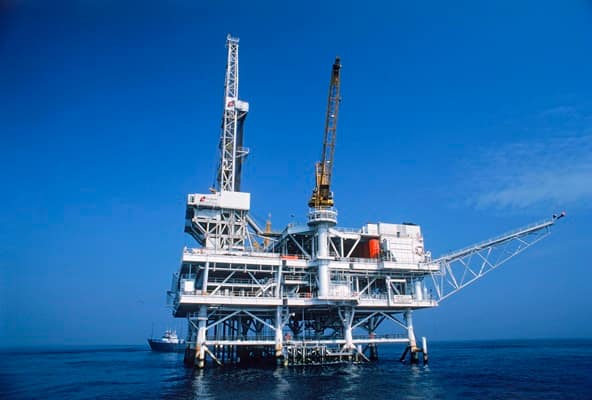
Andy Burnham is preparing to abandon one of Labour’s flagship 2024 manifesto commitments by reopening the door to new North Sea oil and gas drilling, signalling a significant recalibration of the party’s energy strategy as it prepares to enter government.
The move, expected to be announced after Burnham enters Downing Street next week, would mark one of the first major policy reversals of his premiership and underline the growing political tension between Britain’s climate ambitions and concerns over energy security, industrial competitiveness and employment.
Under Labour’s 2024 manifesto, the party pledged to honour existing North Sea licences while refusing to issue any new exploration permits. That position was championed by Energy Secretary Ed Miliband, who argued Britain should accelerate investment in renewable energy rather than expand domestic fossil fuel production.
Burnham now appears ready to take a different approach.
According to reports, the incoming Prime Minister will unveil plans allowing fresh North Sea licences as part of a broader economic programme that also includes bringing water and energy companies into public ownership and launching a large-scale council house-building programme.
The proposed policy shift reflects mounting pressure from trade unions, industry leaders and Labour figures who argue that abandoning domestic oil and gas production too quickly risks undermining both energy security and tens of thousands of highly skilled jobs concentrated in Scotland and north-east England.
Supporters also contend that continued North Sea production can reduce dependence on imported hydrocarbons during what is expected to be a lengthy transition towards net zero.
The debate has intensified following legal uncertainty surrounding two of Britain’s largest undeveloped offshore projects.
The Conservative government approved Shell’s Jackdaw gas field and Equinor and Ithaca Energy’s Rosebank oil development, but environmental groups Greenpeace and Uplift successfully challenged those approvals in court.
In January 2025, the Court of Session ruled that ministers had acted unlawfully by failing to properly assess the climate impact of burning the extracted oil and gas, requiring the consents to be reconsidered.
The ruling did not prohibit future drilling but raised the legal threshold for approving new developments.
Burnham’s apparent change of direction also places him on a potential collision course with Ed Miliband, one of Labour’s strongest advocates for restricting new fossil fuel production.
Miliband previously described approval of the Rosebank field as “climate vandalism” and was instrumental in shaping Labour’s previous licensing policy.
His future role in Burnham’s Cabinet remains uncertain as the Prime Minister-designate continues finalising senior ministerial appointments.
Reports suggest Home Secretary Shabana Mahmood is emerging as the leading contender to become Chancellor, although allies on Labour’s left continue backing Miliband for a senior economic role.
The policy shift has drawn swift criticism from environmental campaigners.
Green Party leader Zack Polanski accused Burnham of being unwilling to confront the oil and gas industry, arguing that Britain should end North Sea drilling permanently if it is to meet its climate obligations.
Chris Venables, a fellow at the Green Alliance, questioned whether climate policy would remain a central government priority under Burnham’s leadership.
Yet Burnham also faces pressure from the opposite direction.
Trade unions and representatives from the offshore energy sector recently urged him to support continued North Sea production, arguing the industry remains critical to Britain’s manufacturing base, energy resilience and regional economies.
Their joint letter warned that government backing would provide confidence for long-term investment while protecting communities that have powered the UK economy for decades.
The dispute illustrates one of the defining economic dilemmas facing the new government.
While renewable energy investment remains central to Labour’s industrial strategy, ministers must also manage declining domestic oil and gas production without triggering higher import dependence, job losses or increased energy costs.
How Burnham balances those competing priorities may become one of the earliest and most closely watched tests of his premiership.


Leave a Comment