
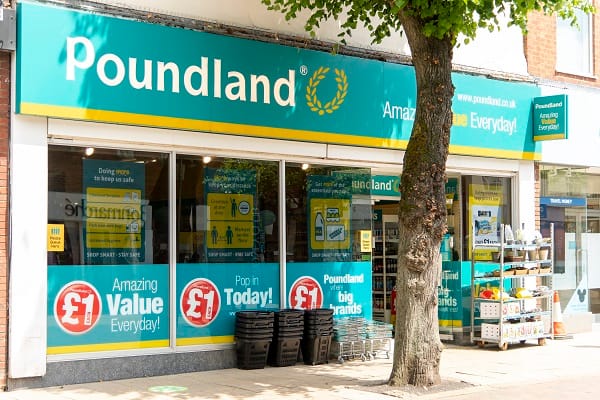
Small businesses are being urged to protect their cash flow as the discount retailer edges towards administration, leaving suppliers facing potentially substantial losses on goods already delivered for Christmas.
Small businesses supplying Poundland face a potentially damaging cash-flow crisis after the discount chain filed a notice of intention to appoint administrators, with its founder warning that as many as 30,000 supply chain jobs could be at risk.
The warning comes at a particularly vulnerable time for suppliers. Many have already delivered Christmas stock, but payment terms mean the money owed may not yet have fallen due.
If Poundland enters administration, those businesses could find themselves at the back of a long queue of creditors, recovering only a fraction of what they are owed.
For smaller suppliers operating on tight margins, the consequences could extend well beyond lost revenue, threatening payroll, tax payments and their ability to fulfil orders for other customers.
John Rozenbroek, managing director of business lender Capify, which has provided funding to UK small and medium-sized enterprises since 2008, warned that suppliers should not wait for a formal insolvency announcement before preparing for the worst.
Most suppliers with unpaid invoices would become unsecured creditors, he said, ranking behind secured lenders and potentially waiting months to recover only a proportion of their money.
Although Poundland has filed a notice of intention to appoint administrators, it has not formally entered administration and its stores remain open.
“That gives suppliers a short window to get their paperwork in order and plan for the worst, instead of sitting back and waiting to see what happens,” Rozenbroek said.
His immediate advice is blunt: suppliers should think carefully before sending another delivery.
“Only keep sending stock if you could cope with not being paid for it,” he said, urging businesses to agree payment arrangements in writing and consider demanding money upfront or on delivery.
Suppliers should also examine their contracts for retention of title clauses, which, if properly drafted and applicable, may allow them to reclaim goods that remain unpaid for.
Rozenbroek advised seeking legal guidance before administrators are appointed, when recovering stock could become considerably more complicated.
The bigger danger, however, may be the cash-flow gap between losing an expected payment and meeting unavoidable business expenses.
For many small suppliers, payroll and VAT bills are the immediate pressure points. Rozenbroek urged owners to calculate precisely when shortfalls will emerge rather than waiting until payments are missed.
Businesses struggling with tax liabilities can approach HMRC for Time to Pay arrangements, allowing outstanding amounts to be spread over an agreed period.
He also recommended contacting banks and lenders early, arguing that short-term finance can often be arranged within days, but waiting until a crisis has materialised leaves businesses with fewer options.
The Poundland situation highlights the disproportionate risks faced by smaller businesses when a major customer encounters financial distress. A large retailer’s unpaid invoices can represent months of working capital for a supplier with little financial cushion.
For companies that have already committed resources to Christmas deliveries, the priority is now survival rather than sales growth. As Rozenbroek warned, the time to protect cash flow is before the customer stops paying.


Leave a Comment