
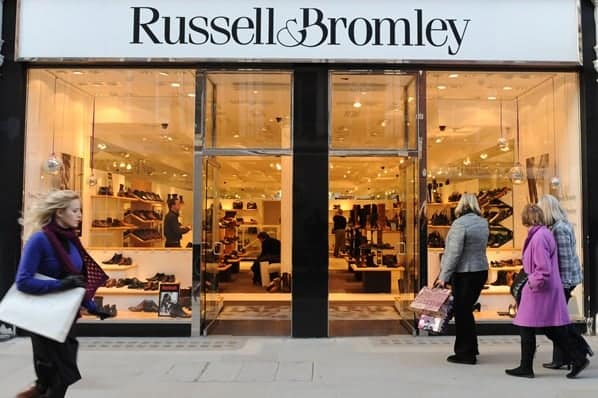
Britain’s battered high streets are being offered a rare vote of confidence as heritage fashion retailer Russell & Bromley prepares to return to physical stores after being rescued from collapse by Next.
The 150-year-old footwear brand will reopen at Oxford’s Westgate shopping centre on September 3, marking one of its first steps back into bricks-and-mortar retail after all 33 of its shops were shut following its administration.
Russell & Bromley had been struggling with falling footfall, rising operating costs and a difficult consumer market before collapsing under the weight of about £59.3mn of debt. The company recorded combined losses of roughly £20mn over the previous two years.
Next stepped in with a multimillion-pound rescue package in January, preserving the brand but effectively wiping its physical retail footprint from the map. Its last remaining shop, in Edinburgh, finally closed in July.
The Oxford reopening therefore represents more than a new shop opening: it is a test of whether established fashion names can rebuild a store network after the economics of the high street have forced many into administration or purely online models.
“The return of Russell & Bromley is brilliant news,” said Clare Martin, centre director at Westgate Oxford. She said the retailer had long been popular with the centre’s customers and would strengthen its retail mix.
Russell & Bromley is not alone in betting on physical retail again.
Karen Millen, a fashion label associated with the Princess of Wales, is reopening a bricks-and-mortar store after almost seven years away from the high street. The brand disappeared from physical retail after Boohoo acquired it following its collapse in 2019.
The moves stand out against a much harsher backdrop.
Claire’s Accessories entered administration earlier this year, leading to the closure of all 154 of its standalone UK shops in April. Peter Alexander, the luxury sleepwear retailer, has also announced plans to shut its entire British store estate, citing difficult trading conditions.
The divergent fortunes underline the increasingly selective nature of Britain’s retail recovery. Well-known brands can still command customer loyalty, but physical stores now face a much higher hurdle: they must justify their rents, staffing and operating costs in a market where consumers have become accustomed to shopping online.
For Russell & Bromley, the Oxford reopening is an opportunity to prove that the British high street may not be dead — but that survival increasingly depends on choosing exactly where to return.


Leave a Comment