
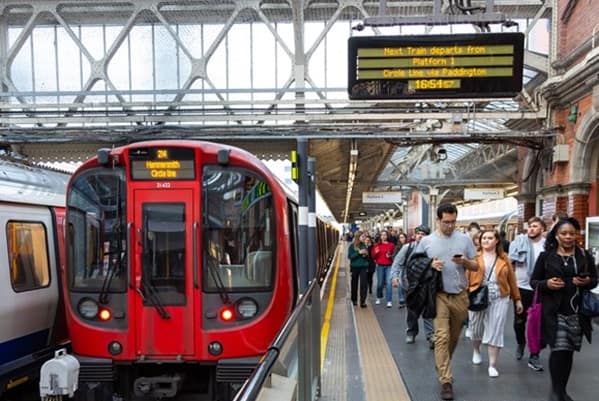
The daily trek to the office often feels like a significant drain on your bank balance before you’ve even sat at your desk. For years, the standard advice was to buy an annual season ticket to lock in a slightly lower rate per journey. However, the way people work has changed. With more businesses adopting hybrid patterns, that expensive gold card in your wallet might actually be costing you more than it saves. You don’t have to accept the first price the ticket machine shows you.
Navigating the various discounts and ticket types requires a bit of strategy. If you’re travelling three days a week or fewer, the traditional season ticket is rarely the best value. Instead, you’ll need to look at modern alternatives and timing shifts to keep your rail spend under control. There’s a lot to unpack here, so stick around until the end to see how these small changes add up to big savings.
How flexible season tickets work for hybrid workers
If you only head into the city a few times a week, a Flexi Season ticket is likely your best bet. These tickets give you eight days of travel in a 28 day period. You can use them any time between two stations, which is perfect if your office days change from week to week. You won’t have to worry about buying a ticket every morning, and you won’t lose money on the days you stay at home.
It’s important to check the math for your specific route though. On some short-distance journeys, buying individual daily tickets can still be cheaper if you book them in advance. You should also check if your employer offers a season ticket loan. While it sounds like more debt, these are usually interest-free and allow you to spread the cost of a monthly or annual ticket across your pay cheques.
Using split ticking to undercut season tickets
Many commuters don’t realise that buying a single ticket from start to finish is often the most expensive way to travel. Rail fares in the UK are calculated using a complex system that often makes two or three shorter tickets cheaper than one long one. You don’t even have to get off the train. As long as the train calls at the stations listed on your tickets, you are perfectly entitled to stay in your seat.
This method is particularly effective for those who don’t travel every day. Instead of paying for a weekly pass, you can find cheap train tickets at Split My Fare for your specific travel days. Here are a few things to keep in mind when using this strategy:
- The train must physically stop at the stations where your tickets “split”.
- You can combine different types of tickets, such as a peak ticket for the first leg and an off-peak for the second.
- Railcard discounts can be applied to all the individual portions of your split journey.
- It works for both Advance tickets and “walk-up” Anytime or Off-Peak fares.
- Bear in mind that split ticketing isn’t available on every route and ticket combination, so always check before booking.
Shifting your schedule to off-peak times
One of the easiest ways to slash your commuting costs is to avoid the peak hour rush. Most train companies define peak times differently, but as a rough guide, off-peak fares typically kick in for trains departing after 09:30 on weekdays from larger towns and cities. For some routes into London, it’s the arrival time that matters, usually after 10:00.
Always check the specific restrictions for your route before booking. If your boss is happy for you to start and finish an hour later, you could see your ticket price drop by nearly half. This small adjustment can save you money, but it also usually means a much quieter carriage and a guaranteed seat.
You can also look into “Evening Peak” restrictions. Some operators charge more for trains leaving the city between 16:00 and 19:00. If you can stay for a gym session or a quick bite to eat after work, you might be able to catch a later train on an off-peak fare. It’s all about being flexible with your clock to protect your wallet.
Choosing the right railcard for your age and status
Railcards aren’t just for students or pensioners. If you are aged between 26 and 30, the Millennial Railcard gives you a third off most fares. Even if you’re older, the Network Railcard covers a huge area of the South East and offers discounts for you and a friend.
If you and a colleague regularly travel the same route after 09:30, a Two Together Railcard (£35 a year) will save you both a third on fares. Though it must be said that both named cardholders must travel together for the entire journey, and the card cannot be used before 09:30 on weekdays, so it won’t suit a traditional 9-to-5 commute.
Most railcards have a minimum fare during morning peak hours from Monday to Friday. This is usually around £12. However, if your daily commute costs more than this, the railcard will still save you a significant amount over a month. It’s worth checking the specific restrictions for your route, as some railcards don’t have this minimum fare during the summer months or on public holidays.
Final takeaways
Cutting your commuting costs doesn’t happen by accident. It takes a bit of planning and a willingness to move away from the traditional annual season ticket model. Whether you opt for a Flexi Season, shift your working hours to off-peak, or use splitting techniques to lower the cost of individual days, the savings are there to be found. Take a look at your travel patterns for the next month and see which of these methods fits your routine best.



Leave a Comment