
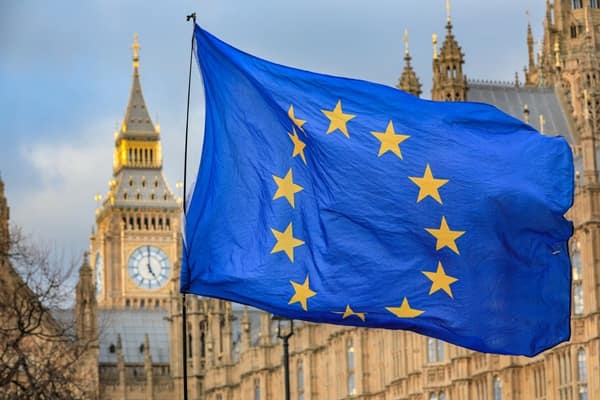
Britain and the European Union have agreed the draft terms of a landmark deal to remove much of the post-Brexit red tape facing food and agricultural exporters, in the most significant step yet towards rebuilding economic ties between the two sides.
The 200-page sanitary and phytosanitary (SPS) agreement has been circulated to EU member states in Brussels ahead of a meeting of ambassadors on Wednesday, alongside draft proposals on emissions trading and a youth travel and work scheme.
A 15-page joint statement for leaders has also been distributed ahead of the UK-EU summit on November 20.
The food agreement would remove many of the certificates, inspections and border procedures introduced after Britain left the EU, reducing costs and delays for businesses trading across the Channel. The government estimates that closer alignment could eventually deliver £5.1bn in annual benefits to the UK economy, LBC reported.
For farmers, food producers and exporters, the proposed changes could represent a substantial reduction in the administrative burden of selling into the bloc. The agreement is also expected to allow exports of products including fresh sausages, burgers, shellfish and seed potatoes to resume, while restoring the use of EU pet passports for British travellers, LBC reported.
The price of securing that access, however, will be a commitment by Britain to what is known as “dynamic alignment”: following relevant EU rules on animal, plant and food standards as they evolve. That would mean accepting a closer regulatory relationship with Brussels, limiting the UK’s freedom to diverge from the bloc’s rules in areas covered by the agreement.
The deal is therefore likely to test how far the government is prepared to go in prioritising lower trade barriers over regulatory autonomy. Supporters argue that reducing friction with Britain’s largest nearby trading market could help businesses and stimulate growth. Critics of closer alignment are likely to question the extent to which the UK would be able to shape rules it would be expected to follow.
The draft SPS agreement is the centrepiece of Prime Minister Andy Burnham’s effort to reset relations with the EU, a process that has gathered momentum ahead of the Brussels summit after months of delay. The proposals had been under discussion during Sir Keir Starmer’s premiership, but progress slowed following the change of prime minister in July.
Burnham has adopted a more openly pro-European tone than his predecessor, saying he would like Britain to rejoin the EU within his lifetime. He has nevertheless insisted that his government will not seek membership during the current parliament, nor abandon Labour’s manifesto commitments on freedom of movement.
At Prime Minister’s Questions, Conservative leader Kemi Badenoch accused him of creating confusion over the government’s intentions and asked whether he wanted a referendum on rejoining the bloc.
“There is no confusion at all,” Burnham replied. “The Government has a collectively agreed position, which I have set out today.
“It is entirely consistent with everything that I’ve said, including in the by-election.
“The red lines in our manifesto, including on freedom of movement, will stay in place firmly for the whole of this Parliament.”
The prime minister has also criticised the Brexit settlement negotiated by the Conservatives, describing it as “bad for growth and bad for control of immigration”.
In an interview on Monday, he said the consequences of leaving the EU had not matched the promises made during the referendum campaign. “I don’t think things have worked out as people said they would at the time, particularly when it comes to immigration,” he said.
“I think we’ve got weaker control now. The reason the small boats crisis has arisen is because we can’t return people, and people know we can’t do that in the same way that we used to be able to do.”
He added: “I’m not proposing any changes in this Parliament. I’m not going to move away from the red lines that were in the Labour manifesto.
“I am respecting what I said to the voters in Makerfield, but I’m not going to say this morning, sitting here, that the deal we’ve got at the moment is good enough for Britain. I don’t think it is good enough for Britain.
“I think we can make it better and I’m going to lead a discussion about how do we make it better in a way that people can support.”
Burnham has said a closer economic relationship with the EU could add more than £10bn a year to the UK economy by 2040, making the forthcoming summit an important opportunity to turn his ambitions into concrete agreements.
But the food deal is not the only issue facing negotiators. The emissions trading proposals are intended to bring the two sides’ carbon markets closer together, while the youth mobility scheme remains part of wider discussions over opportunities for younger people to live and work across borders.
There are also unresolved questions over the wider package. The Financial Times reported on Tuesday that Brussels was linking progress on the reset to discussions about reducing tuition fees for EU students at British universities. The draft summit statement is understood to envisage concluding negotiations on some measures later, rather than signing every agreement on November 20.
The distinction matters: circulation of the SPS text represents progress, but does not mean the agreement has been formally approved, implemented or that exporters can immediately stop complying with existing requirements. The Guardian has reported that implementation could take until 2028, leaving businesses facing a further wait before the benefits are fully realised.
For Burnham, the summit will be an early opportunity to demonstrate that a closer relationship with Europe can deliver tangible economic gains without reopening the most politically contentious questions of Brexit. For exporters, the prize is simpler: fewer certificates, lower costs and less time spent navigating border bureaucracy.


Leave a Comment