
Police forces and local authorities across England have urged the public to respect households that do not wish to participate in Halloween, warning that unexpected visits can cause distress for religious communities, vulnerable residents and families facing financial hardship.
With millions expected to take part in festivities on Saturday, councils and police have circulated guidance encouraging residents to use “no trick or treat” posters to signal that their homes are not welcoming visitors.
Leicestershire Police said some households might avoid the celebrations because they were “observing religious or cultural beliefs that do not include Halloween”. Others, it warned, might experience distress or feel overwhelmed by unexpected visitors because of post-traumatic stress disorder (PTSD) or other conditions.
The force advised trick-or-treaters to avoid knocking on doors displaying deterrent posters and to exercise discretion at homes without Halloween decorations.
Oadby and Wigston Police thanked residents for following the guidance, saying it would help keep communities “safe, respectful and inclusive”.

Similar messages have been issued in Kent, where Swale Borough Council and Kent Police have encouraged residents to consider the needs of people who prefer to avoid the festivities.
Hannah Perkin, chairman of Swale Borough Council’s community committee, said Halloween could be a source of anxiety for households that did not wish to participate.
“While many households are decorating their homes, making their costumes or buying sweets for the trick or treaters, some in Swale may be worrying about Halloween instead,” she said.
“We need to respect their right to sit out of the festivities.”
The council has also highlighted the financial pressures associated with participation, noting that some low-income households may be unable to afford decorations and sweets.
In Buckinghamshire, the county council has urged celebrants to be considerate towards neighbours who may be dealing with personal difficulties, describing some as “fighting demons of their own”.
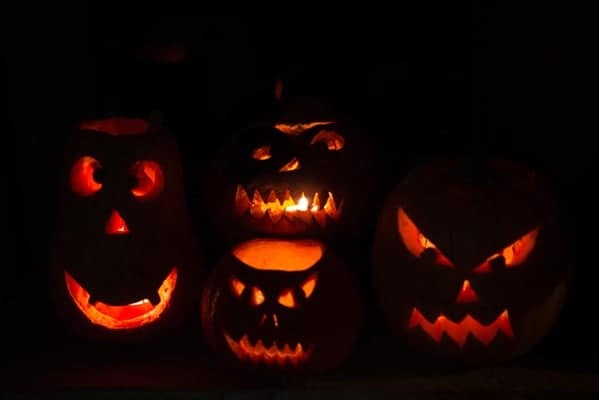
Its guidance also recommends avoiding excessively loud knocking, using battery-powered tealights in pumpkins instead of traditional candles and refraining from dangerous pranks.
The Metropolitan Police has similarly acknowledged that while Halloween represents “harmless family fun” for some, it can be a “fearful time” for others living in the capital.
The guidance reflects a broader effort by authorities to balance a popular seasonal celebration with residents’ differing religious beliefs, personal circumstances and expectations of privacy.
Some religious communities, including Jehovah’s Witnesses, Muslims, Orthodox Jews and certain evangelical Christian groups, may choose not to celebrate Halloween for religious or cultural reasons. Practices vary within and between these communities, however, and individuals should not be assumed to hold particular views based solely on their faith.
Halloween’s historical roots are commonly associated with Samhain, an ancient Celtic seasonal festival. The celebration subsequently became intertwined with Christian observances surrounding All Saints’ Day on November 1, with the preceding evening becoming known as All Hallows’ Eve.
Its modern popularity has developed into a substantial commercial event. Spending in Britain this Halloween is projected to reach £1.16bn in 2026, more than five times the amount spent nationally in 2013, according to the figures supplied.
For police and councils, the message is not that Halloween should be abandoned, but that participation should remain a matter of choice.
As households prepare for one of the year’s most commercially successful seasonal celebrations, authorities are asking the public to recognise that not everyone wants to open their door.


Leave a Comment