
A gas-fired power station was paid the equivalent of £1.4m an hour to help keep Britain’s electricity grid stable after wind generation plunged, exposing the growing challenge of balancing supply as the country shifts towards renewable energy.
Langage Power Station in Devon was among at least three gas plants paid £1,500 per megawatt hour on Monday evening to provide additional capacity and protect against potential shortages, according to market data.
The payments were made between 3.30pm and 5pm, at rates reported to be up to 10 times the average.
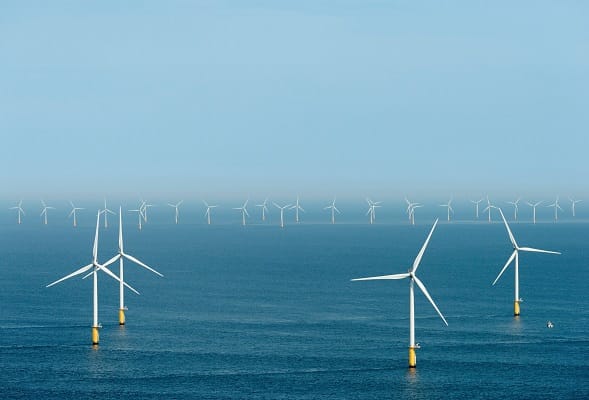
Wind power’s contribution to the electricity mix had fallen from 28 per cent on Monday the previous week to just 2 per cent a week later, leaving the National Energy System Operator (Neso) reliant on gas generators to fill the gap.
Neso had issued an Electricity Margin Notice (EMN) earlier on Monday, asking generators and other market participants to make more capacity available. The notice was subsequently withdrawn.
The operator stressed that the alert was precautionary and did not signal an imminent threat to supplies. “This is not a warning of power cuts, there is no risk to customer electricity supplies, and customers do not need to take action – Great Britain’s electricity system remains secure,” it said.
But the frequency of such notices is attracting scrutiny. Seven EMNs have been issued so far this year, compared with one in 2025.
Kathryn Porter, founder of energy consultancy Watt-Logic, said the notices had once been rare events, usually associated with exceptionally cold winter evenings. They were now becoming more frequent and were no longer confined to winter.
“An EMN does not mean blackouts are imminent,” she said. “But the increasing frequency of these warnings should concern us.”
She argued that the underlying problem was Britain’s growing dependence on weather-dependent generation. Wind output can fall sharply when conditions are unfavourable, while solar generation is limited during winter and disappears at night.
Although gas-fired power can be dispatched when needed, Ms Porter warned that much of Britain’s existing fleet was approaching the end of its operational life.
“Britain is losing reliable generating capacity as older gas and nuclear plants approach retirement, without sufficient firm replacements being built,” she said.
Imports through interconnectors offer another source of electricity, but can become more expensive and less dependable when neighbouring countries experience similar weather.
The shift towards renewables is central to Labour’s Clean Power plan, which aims for 95 per cent of electricity to come from clean sources by 2030. But the transition also raises questions about how to maintain reliable supplies when wind and solar output fall.
Ms Porter said maintaining stability was becoming “more complex and more expensive than it used to be”. Consumers ultimately bore the cost, she added, pointing to grid-balancing expenses that reached a record £553m in September alone.
Neso attributed that month’s costs to high wind generation that could not be used because of network constraints, requiring turbines to be paid to switch off while gas generators were paid to increase output.
James Earl, chief executive of Future Energy Networks, said the latest episode demonstrated the continuing importance of gas.
“This past weekend has underscored the value of gas in delivering energy security,” he said. “With low winds and little sun expected over the coming days, gas will continue to play an essential role in delivering flexible and dependable power.”
He added that gas networks would be required “well into the future”.
The Government has said oil and gas will remain important to the energy system for decades, alongside renewables, nuclear and other low-carbon technologies, and that Britain will retain reserve gas-fired capacity during its transition to net zero.
The episode also comes amid political debate over the Government’s plans to end new North Sea oil and gas exploration licences. Shadow energy secretary Andrew Bowie said on X: “With barely any wind, it’s gas keeping Britain’s lights on.”
He added: “We need gas, but Labour would rather we import it than produce our own.”
Neso has also faced questions over its internal culture following whistleblower allegations that risks of blackouts during summer heatwaves had been concealed and that corporate affairs staff had interfered in operational matters. An independent report by Eversheds Sutherland found the claims unsubstantiated, but said employees were working under “high levels of operational stress”.
Chief executive Fintan Slye defended his leadership when questioned by MPs, saying: “I believe I am. I am absolutely committed to the organisation, to its mission.”
For Britain’s electricity system, the immediate challenge remains balancing an increasingly variable mix of generation with the need to keep supply secure — and ensuring that the capacity required when the wind drops is available at a cost consumers can bear.


Leave a Comment