
The Kremlin faces mounting pressure as fragile peace efforts stall, Russian hardliners demand escalation and Washington signals that previous diplomatic assumptions may no longer hold.
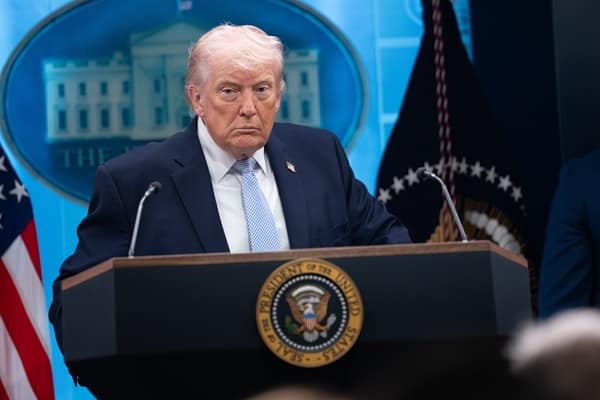
Vladimir Putin’s strategy for the Ukraine war is facing a new test as Donald Trump signals growing frustration with Moscow and questions the future of US-backed diplomatic frameworks.
During the G7 summit, Trump reportedly discussed increasing pressure on Russia and suggested he could abandon previous understandings reached with Moscow if negotiations fail to deliver progress.
The shift represents a potential setback for the Kremlin, which has relied on diplomacy with Washington as a way to preserve its territorial ambitions while limiting further international pressure.
According to reports, Trump expressed scepticism over Putin’s approach and indicated that stronger measures against Russia could be considered.
Yet European governments remain cautious, questioning whether Washington will convert political warnings into concrete action.
The uncertainty comes as Russia faces a deeper internal debate over the direction of the war.
Nationalist voices inside Russia are increasingly arguing that negotiations have failed and that Moscow should abandon diplomacy in favour of a more aggressive military push.
The anger has intensified following Ukrainian drone strikes targeting areas including Moscow, St Petersburg and occupied Crimea — attacks that have challenged the Kremlin’s image of control over the conflict.
Some extreme pro-war figures have even called for a far more dangerous escalation, raising questions over how much pressure Putin can withstand from nationalist forces demanding victory at any cost.
Despite the criticism, the Kremlin has not formally withdrawn from negotiations.
However, senior Russian officials have acknowledged that discussions with the US have produced little progress, blaming Washington for failing to deliver on previous proposals.
The diplomatic deadlock reflects the fundamental divide between Moscow and Kyiv.
Russia continues to reject a ceasefire along current front lines, insisting any agreement must recognise what it calls “new territorial realities” — including demands for control over areas it does not fully occupy.
Ukraine and its allies argue that such conditions would reward aggression and undermine European security.
The result is a widening gap between political messaging and battlefield reality.
For Putin, the challenge is increasingly strategic: continue a costly war of attrition while facing economic pressure, Ukrainian strikes and domestic demands for escalation — or accept a settlement that falls far short of his original objectives.
After years of conflict, Russia’s greatest vulnerability may not be its military capacity alone, but the growing difficulty of sustaining the political narrative that the war is moving toward victory.
The Kremlin can continue fighting.
The question is whether it can continue convincing the world — and its own supporters — that the cost is worth paying.


Leave a Comment