
Russian-installed authorities in Crimea have declared a state of emergency on the occupied peninsula in a move that has exposed growing pressure on one of Vladimir Putin’s most prized symbols of power.
Sergei Aksyonov, the Kremlin-appointed head of Crimea, announced the regional emergency measure on June 26, saying it was needed to address serious financial, monetary and credit-related problems.
The order came into force at 1pm and gives authorities greater powers to respond quickly to what they described as threats to the stability of essential services and the wider economy.
Aksyonov insisted the move was designed to protect residents and maintain normal life.
But the declaration has raised fresh questions over the reality behind Moscow’s carefully managed image of Crimea as a secure and prosperous part of Russia.
Read more related news:
Ukraine to launch ‘pre-emptive’ strikes warning ordinary Russians ‘will feel this war’
Zelensky warns Belarus military build-up nears completion
Ukraine turns Crimea into a fierce and brutal battlefield
Since Russia seized and annexed Crimea in 2014, the peninsula has been presented by the Kremlin as a major strategic triumph — a symbol of Russian power and President Putin’s influence.
However, more than two years into the full-scale war against Ukraine, Crimea has become increasingly vulnerable.
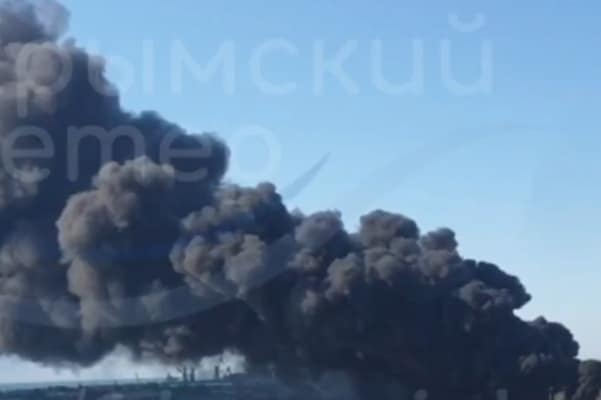
The peninsula has been repeatedly targeted by Ukrainian attacks against Russian military facilities, fuel infrastructure and logistics networks, highlighting the challenges Moscow faces in protecting the territory it considers vital.
Crimea plays a crucial role in Russia’s war effort, acting as a military hub used to support operations in southern Ukraine.
The region’s economy has also been transformed by the conflict, with tourism disrupted, international investment cut off and resources increasingly directed towards supporting Moscow’s military objectives.
The emergency announcement comes as the Kremlin continues to insist that Russia’s economy remains resilient despite Western sanctions and the enormous financial cost of the war.
Russian officials have repeatedly dismissed claims that sanctions are damaging the country, arguing that Moscow has adapted and strengthened its economy.
Yet critics say the latest developments reveal a widening gap between Kremlin messaging and conditions on the ground.
The state of emergency does not represent a full collapse of services, but it gives authorities additional powers at a time when Crimea faces growing economic and strategic pressure.
For Ukraine, the peninsula remains a key objective. Kyiv has repeatedly stated that Crimea — illegally annexed by Russia under international law — must eventually return under Ukrainian control.
For Moscow, maintaining control of Crimea is not only a military priority but a political one. Losing its grip on the peninsula would represent a major blow to Putin’s domestic image and the narrative of Russian strength built around the annexation.
The emergency declaration therefore carries significance far beyond financial administration.
It is another sign that the war is creating pressure deep behind Russia’s front lines — even in a territory the Kremlin once portrayed as untouchable.


Leave a Comment