
Lithuania has agreed to remove a long-standing constitutional ban on nuclear weapons and foreign military bases in a major security overhaul driven by escalating fears of Russian aggression, President Gitanas Nausėda has said.
The Baltic state’s Article 137 currently prohibits weapons of mass destruction and military bases belonging to foreign states. But senior political leaders have now agreed it is “outdated” and should be deleted entirely rather than amended.
President Nausėda said there was broad political agreement following talks with parliamentary faction leaders.
“Opinions practically coincided,” he said, adding that most parties supported scrapping the clause altogether.
He said only procedural differences remained, including calls from some factions for a referendum, though government figures insist the Seimas already has a democratic mandate to proceed.
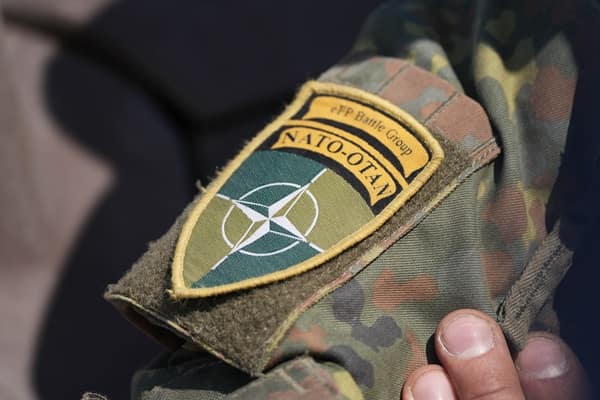
The move would mark a significant shift in Lithuania’s defence posture and further align the country with NATO’s evolving deterrence strategy on its eastern flank.
Vilnius has argued that maintaining a constitutional ban risks leaving Lithuania as a “weak link or grey zone” within the alliance at a time of heightened tensions with Russia.
The decision follows similar developments in Finland, which recently relaxed legal restrictions on nuclear materials after joining NATO, bringing its legal framework closer in line with alliance expectations.
The announcement comes amid growing alarm across the Baltic states over Russia’s military activity following its invasion of Ukraine.
Lithuanian leaders have repeatedly warned that the region faces increased risk of spillover conflict and hybrid threats.
Last month, President Nausėda and the prime minister were briefly forced into underground shelters after an unmanned aerial vehicle entered Lithuanian airspace, sparking renewed concerns over air defence readiness.
The war in Ukraine has triggered a sweeping reassessment of defence policy across Eastern Europe, with NATO’s front-line states accelerating military integration, civil defence planning and infrastructure hardening.
Lithuanian officials have reportedly been in contact with Ukrainian defence manufacturers and civil protection experts over potential bomb shelter systems, according to industry sources cited by POLITICO.
While no nuclear weapons are currently based in Lithuania, the constitutional change would remove legal barriers that previously made such deployments impossible.
The shift underscores growing debate inside NATO over nuclear deterrence, force posture and readiness along the alliance’s eastern borders as tensions with Moscow continue to rise.


Leave a Comment