
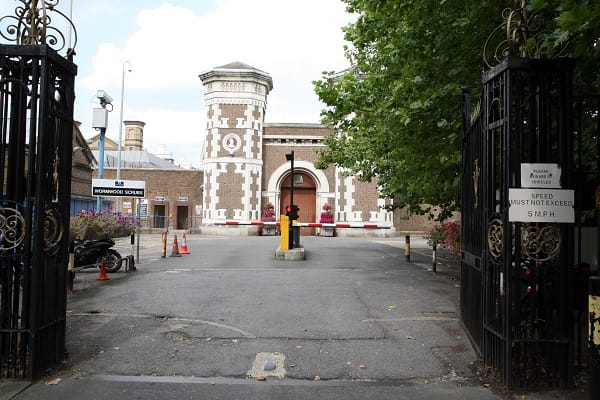
Foreign offenders held in a Kent prison are being offered breathing exercises, cold-water therapy and practical cookery sessions as part of their rehabilitation, prompting a fresh debate over how Britain should manage its prison population and spend taxpayers’ money.
HMP Maidstone, one of three prisons in England and Wales dedicated exclusively to foreign national prisoners, houses about 600 inmates from almost 100 countries. A recent report by the Independent Monitoring Board praised the institution’s range of programmes, including relaxation sessions and support for prisoners approaching release.
The report listed “a broad range of group programmes”, including “pre-release support, criminal records workshops, relaxation and breathwork sessions”. It added that initiatives included “cold-water therapy and practical skills sessions such as soup and bread-making”.
The board also reported that violent incidents inside the prison had “reduced significantly” over the preceding 12 months, suggesting the programmes were operating alongside improvements in institutional order.
But the activities have attracted derision from critics who question whether such initiatives should be a priority while prisons continue to struggle with violence, drugs and overcrowding.
One prison insider told The Telegraph that foreign offenders at Maidstone must be “wondering what the hell is going on”.
“Cold-water therapy and breathwork? It sounds like a yoga retreat,” the source added.
The contrast between the language of wellness and the realities of incarceration has made the programme an easy target for critics. Yet the monitoring board’s findings also raise a more complicated question: whether rehabilitation initiatives that appear unconventional can help reduce violence and prepare prisoners for release.
Cold-water therapy involves deliberate exposure to cold water, through ice baths, plunges or swimming. Its supporters claim it can improve mood and help ease muscle soreness, although evidence for broader health benefits varies. The practice has been popularised by Dutch motivational speaker Wim Hof and adopted by celebrities including David Beckham, Oprah Winfrey and Justin Bieber.
The Prison Service defended its wider approach against the backdrop of a system under severe pressure.
“We inherited a prison system on the brink of collapse,” a spokesperson said. “We are pulling every lever to restore order, including building 14,000 extra spaces and investing £75million to clamp down on violence, criminality, and drugs.”
The controversy follows criticism of a separate rehabilitation initiative at HMP Manchester, where prison authorities approved a £15,000 contract for rap and hip-hop music courses despite persistent concerns about conditions at the Category A jail.
The contract, awarded on September 28, is due to run from October 7 until March 31, 2027. Procurement records describe two projects reflecting the interests of the prison population.
An unannounced inspection in 2024 described Manchester prison as being in “an appalling state”. Inspectors returning in January 2026 found “some progress”, but said many problems “remained unchanged”, concluding that the prison was “not sufficiently good”.
Anne Strickland, a researcher at the TaxPayers’ Alliance, criticised the spending. “Taxpayers should not be footing a £15,000 bill for rap and hip-hop courses in a prison plagued by drugs, violence and illicit phones,” she said.
The two cases have sharpened a familiar argument over the purpose of rehabilitation. Critics want prison budgets directed towards security, discipline and basic standards before specialist programmes receive funding. Supporters of rehabilitation argue that reducing violence and preparing prisoners for release are themselves essential to a functioning prison system.
At Maidstone, the monitoring board’s reported fall in violence offers a measure against which the programme should be judged. The central question is not whether breathwork resembles a yoga retreat, but whether such interventions produce demonstrable improvements in safety, behaviour and rehabilitation — and whether the results justify their cost.


Leave a Comment