
In a significant escalation of military tensions in the Middle East, the US and Israel’s joint operation highlights the seriousness of regional security concerns, aiming to inform the audience about the gravity of these actions.
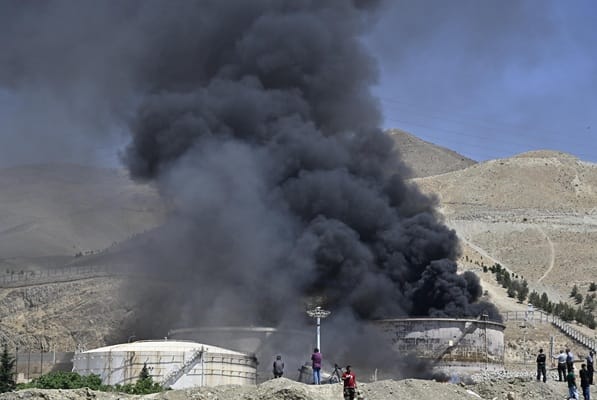
Dramatic scenes unfolded as dense plumes of smoke rose from central Tehran early in the day, indicating significant damage from the airstrikes. Simultaneously, air raid sirens blared across Israel, signalling the possibility of immediate retaliatory actions from Iranian forces.
During an eight-minute address to the nation, President Trump affirmed the US commitment to preventing Iran from acquiring nuclear weapons, labelling Tehran’s actions as “mass terror.”
He declared, “It’s been mass terror, and we’re not going to take it any longer,” which marked the first instance of official confirmation of US involvement in military operations against Iran.
Israeli Prime Minister Benjamin Netanyahu echoed these sentiments in a televised statement, underscoring that the operation intended to eradicate what he characterised as an “existential threat” posed by Iran’s military capabilities and its regional influence.
Netanyahu stated, “Israel and the US have launched an operation to remove the existential threat posed by the terror regime in Iran,” adding that this might help create conditions for the Iranian populace to take destiny into their own hands and instigate change within Iran.
Following the strikes, Iran’s missile retaliation underscores the risk of ongoing instability, emphasising the need for careful monitoring by policymakers and analysts.
In response to the heightened security situation, Israeli Defence Minister Israel Katz declared a nationwide state of emergency, mobilising resources and military readiness across the country. Meanwhile, Iranian state television acknowledged the explosions within Tehran but refrained from providing specific details regarding the extent of the damage or casualties. An official from Iran confirmed to Reuters that Supreme Leader Ali Khamenei had been evacuated to a secure location outside the capital to ensure his safety amid the unfolding crisis.
Both Iran and Israel swiftly closed their airspace to civilian flights, reflecting the seriousness of the military engagement and raising concerns about regional stability, especially after failed diplomatic talks in Geneva.
In a move to protect its interests, the UK Foreign, Commonwealth & Development Office withdrew diplomatic staff from Iran. It redeployed some personnel from the British embassy in Tel Aviv amid escalating security concerns. As of now, the UK government has not provided a formal statement regarding the situation or the strikes.
In the weeks leading up to this operation, the US had been repositioning aircraft and naval assets in the region, raising significant speculation and concern among international observers that military action against Iran was imminent. Analysts warn that the unfolding confrontation risks escalating into a broader regional conflict, potentially involving state and non-state actors across the Middle East, with severe implications for regional stability.


Leave a Comment