
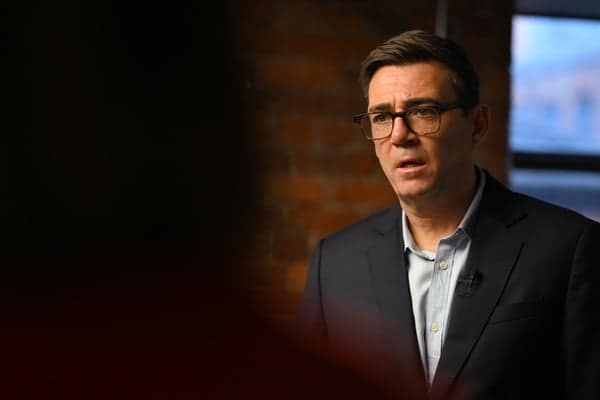
Rejoining the European Union could cost British taxpayers almost £40bn a year in membership contributions, according to new analysis published ahead of Andy Burnham’s latest push to deepen the UK’s relationship with Brussels.
The estimated bill of £750m a week would be almost double the £19.1bn gross contribution Britain made in 2016, the final year of full membership before the Brexit referendum, according to the figures compiled by the newly formed Stay Out campaign.
The analysis applies the European Commission’s revenue forecasts for its next long-term budget, covering 2028 onwards, to UK economic data and proposed funding arrangements.
It estimates that the annual contribution could rise to around £41.8bn, and potentially £803m a week if existing funding rules remain in place.
The figures come as Mr Burnham prepares to travel to Brussels next week to sign a new agreement with the EU, intended to reduce post-Brexit barriers to food and agricultural trade. The Labour leader has previously suggested that rejoining the bloc could be among the options for Britain’s long-term relationship with Europe, and has said he would like the UK to be back inside the EU within his lifetime.
Stay Out says three factors would make membership substantially more expensive than before Britain left.
First, the EU’s budget is projected to expand to almost €2trn, with the Commission forecasting that it will require 1.26 per cent of member states’ gross national income in 2028, compared with about 0.9 per cent in 2019.
Second, the cost of servicing borrowing undertaken during the pandemic is expected to increase sharply. Debt repayments are forecast to rise from £9.5bn in 2027 to £22bn in 2028.
Third, Britain would not automatically recover the budget rebate negotiated by Margaret Thatcher in 1985, which reduced the UK’s net contributions during its membership.
The Commission has also proposed six new sources of revenue for the EU budget, including levies linked to emissions trading, carbon-intensive imports, electrical waste, tobacco and large companies.
If those new charges are not agreed and existing funding arrangements remain, Stay Out estimates the UK’s weekly contribution could reach £803m, as a greater share of the budget would be raised according to national income.
Oliver Lewis, chairman of Stay Out and a former deputy chief negotiator for Britain during the Brexit talks, said the projected contribution illustrated the financial implications of returning to the bloc.
“The EU that Britain would be rejoining is more indebted, divided and expensive than the one we left, and on the Commission’s own numbers it would cost us £750million a week, with no rebate,” he said.
He also pointed to prospective enlargement, with Albania, Moldova and countries in the western Balkans among those seeking membership, arguing that Brussels viewed Britain as a wealthy potential contributor.
Lord Michael Gove, a former Vote Leave campaign chairman, said rejoining would mean surrendering control over laws, borders, money and trade while paying more than Britain had previously contributed.
“Families worried about their mortgages, energy bills and the weekly shop want a government that spends its time and their money on easing the cost of living,” he said.
“Sending £750million a week to Brussels would do nothing to help with any of this.”
He warned that reopening the membership question could lead to another decade of political division and negotiations, rather than allowing ministers to focus on domestic priorities. The intervention follows criticism from former prime minister David Cameron, who has also warned against reopening the debate over EU membership. Lord Cameron has argued that Britain’s economic difficulties are not primarily the result of Brexit and has called for the UK to leave the European Convention on Human Rights.
He told Bloomberg that politicians needed to tackle illegal migration, arguing that the issue was preventing a more sensible debate about other policy questions. Mr Burnham’s forthcoming Brussels visit is expected to centre on a reset agreement originally negotiated by Keir Starmer. The deal would reduce checks on British food exports in return for the UK aligning its food and farming rules with EU standards.
The proposed arrangement would involve “dynamic alignment”, requiring Britain to adopt new EU regulations in the relevant areas as they are introduced.
The scale of that commitment has already attracted scrutiny. A House of Lords European Affairs Committee study found that the agreement could require the UK to adopt at least 780 pieces of EU law each year — equivalent to more than two new measures every day.
The Government has yet to set out a definitive plan for the UK’s long-term relationship with the bloc. But as ministers pursue closer economic cooperation, the potential cost and extent of any future return to membership are likely to remain central to the political debate.


Leave a Comment