
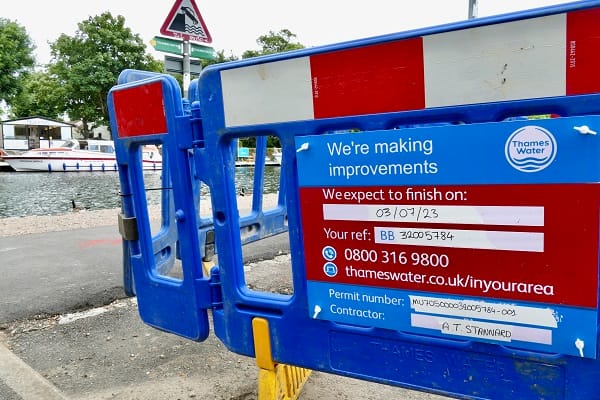
Thames Water lurched closer to temporary nationalisation on Monday after ministers raised fresh concerns over a £10 billion rescue package intended to save Britain’s largest water supplier from collapse.
In a dramatic intervention, Environment Secretary Emma Reynolds is understood to have warned regulators that the proposed bailout would place an “undue burden” on customers, casting doubt over what many had viewed as the company’s last realistic chance of avoiding Government control.
The move threatens to derail a rescue plan painstakingly assembled by Thames Water’s creditors and leaves the future of the debt-ridden utility hanging in the balance.
With nearly £20 billion of liabilities and mounting regulatory scrutiny over repeated sewage scandals, the company has become one of the biggest corporate crises facing Sir Keir Starmer’s Government.
At the centre of the row is a proposal from London & Valley Water, a consortium backed by Thames Water creditors, which has offered to inject £10 billion into the struggling supplier.
The package is understood to include a controversial provision that would shield the company from certain new fines relating to sewage pollution for four years, a concession critics argue would reward years of poor performance at the expense of customers and the environment.
Ofwat had reportedly been moving towards accepting the deal, viewing it as the most viable route to stabilising the utility without forcing taxpayers to step in. But Ms Reynolds’s intervention has thrown that process into doubt. According to reports, the Environment Secretary warned that the proposal was too favourable to creditors and failed adequately to protect consumers already facing rising water bills and deteriorating public confidence in the sector.
The criticism is likely to intensify concerns that Thames Water is running out of options. A rescue bid by creditors has long been regarded as the final line of defence against the company’s collapse after a previous agreement with private equity giant KKR unravelled last year. Administrators have already been lined up should the company be forced into the Government’s special administration regime, a form of temporary nationalisation designed to keep essential services operating while a long-term solution is found.
Although ministers continue publicly to insist that they favour a market-based outcome, the prospect of state intervention now appears closer than at any point since the crisis began. The implications extend far beyond Thames Water itself. The company supplies water and wastewater services to around 16 million customers across London and large parts of southern England, making it by far the largest operator in the industry. Its financial troubles have become emblematic of wider concerns about Britain’s privatised water sector, where soaring debt levels, environmental failures and underinvestment have fuelled growing public anger.
The timing could hardly be more politically sensitive. The Government is already facing mounting pressure over the future of public utilities, while Andy Burnham has sought to place water ownership at the heart of his broader political agenda. The Greater Manchester Mayor, who is seeking victory in Thursday’s closely watched Makerfield by-election, has signalled support for a decade-long programme to bring water companies back under public ownership.
His proposals have intensified debate within Labour about whether the current model is sustainable. For Sir Keir Starmer, the prospect of Thames Water falling into Government hands would present both a political opportunity and a significant risk. Supporters of nationalisation would argue it proves the failure of the privatised system. Critics would point to the potential cost to taxpayers and the danger of the Government inheriting a sprawling corporate crisis.
Either way, the fate of Britain’s biggest water company is rapidly becoming one of the defining tests of Labour’s approach to public services. With regulators weighing their next move and creditors waiting anxiously for a decision, Thames Water finds itself balanced on the edge of a cliff. Whether ministers allow the rescue deal to proceed or force a dramatic state intervention, the era of business as usual appears to be over.


Leave a Comment