
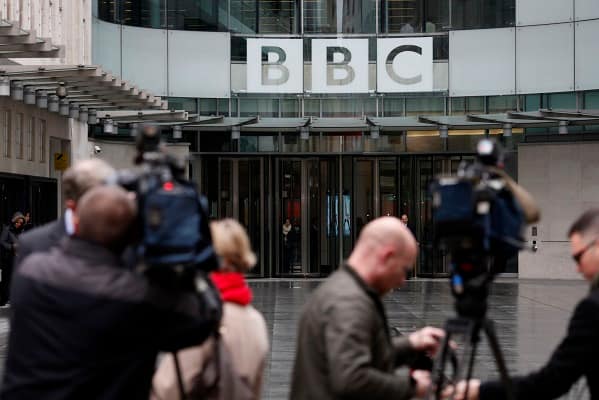
Donald Trump has claimed a “huge victory” in his $10bn (£7.5bn) defamation battle against the BBC after a Florida judge rejected the broadcaster’s attempt to have the case dismissed, allowing the President’s lawsuit over an edited Panorama documentary to proceed.
Judge Jeffrey Kuntz ruled that Trump had plausibly alleged reputational damage arising from the BBC’s editing of a 2024 programme about the January 6 2021 attack on the US Capitol.
The decision does not establish that the broadcaster defamed the President, but represents a setback for its efforts to end the litigation before a trial.
The dispute centres on a Panorama documentary that spliced together two sections of Trump’s speech on the day his supporters stormed the Capitol, creating the impression that he had directly encouraged them to march on the building.
The two extracts were separated by approximately 55 minutes in the original address. The BBC subsequently faced intense criticism over the edit, with the corporation’s chairman acknowledging that it appeared to give viewers a misleading impression.
Judge Kuntz said the President’s allegations were sufficient to establish a plausible claim of reputational harm, particularly given that the documentary was broadcast in the run-up to an election.
“Accepting the allegations in the complaint as true, the Court finds Trump plausibly pled damages where Trump alleges a defamatory documentary released toward the election caused reputational harm,” he wrote.
He added that it would be difficult to adopt a different interpretation without disregarding “the significance and fragility of political elections”.
The judge also accepted that Trump had sufficiently alleged actual malice, a key legal threshold in defamation cases involving public figures. His ruling said the allegations about the BBC’s departure from journalistic standards went beyond mere negligence.
The editing, he said, was not simply “trimming around the edges but creating something different than what was stated”.
The BBC had argued that allowing the lawsuit to proceed would have a “chilling effect” on robust reporting about public figures and events. It had urged the court to dismiss the case, but the judge concluded that the allegations warranted further examination.
However, Trump did not secure an outright victory on every element of his complaint. Kuntz rejected his claim under Florida’s Deceptive and Unfair Trade Practices Act, ruling that the President would need to demonstrate actual damages resulting from the documentary’s broadcast to pursue that aspect of the case.
Trump celebrated the decision on his Truth Social platform, praising the judge as “highly respected” and describing the ruling as a “huge victory against fake news BBC, a terrible abuser of the truth”.
He also cited the judge’s comments on the editing, claiming the broadcaster had admitted to making the President appear to say something he had never said.
“I will continue fighting against, and defeating, all of those who try to deceive the American people,” he wrote.
The next stage could bring the President himself under scrutiny. Trump must provide sworn testimony by December 11, giving the BBC’s legal representatives an opportunity to question him about the reputational damage he says he suffered.
When proceedings were launched in December last year, Trump initially sought damages relating not only to his reputation but also his brand, properties and businesses. He later dropped the latter claims after the BBC sought records concerning his wealth.
The broadcaster said it was surprised by the ruling but respected the court’s authority.
“We remain confident in our position and will continue to respond through the proper legal process,” a spokesman said.
For the BBC, the case carries implications beyond the potential financial exposure. A successful claim could intensify legal and political pressure on international news organisations covering American politics. For Trump, the ruling provides an opportunity to pursue a high-profile challenge against a broadcaster he has repeatedly accused of bias.
But the court has not yet decided whether the BBC acted unlawfully. The central question — whether the editing amounted to defamation and caused compensable harm — remains to be resolved.


Leave a Comment