
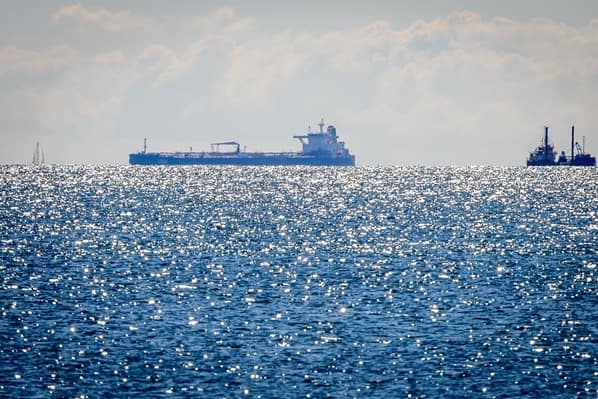
A deal between Donald Trump and Vladimir Putin to ship Russian diesel to the US is facing fresh uncertainty after two of three tankers carrying the fuel changed course, raising questions over whether American buyers are willing to risk handling cargoes linked to sanctioned Russian shipping.
The Russian tanker Talisman and the Leruo, owned by a Hong Kong company and sailing under the Sierra Leone flag, have both dropped the US Atlantic coast from their listed destinations, according to the Financial Times.
The Leruo changed course towards Brazil on November 2, while the Talisman entered the Mediterranean and is now off Algeria, broadcasting the maritime signal “for orders”. Neither vessel has a confirmed buyer or destination port.
Both tankers are under European Union sanctions, adding to the regulatory and commercial risks facing potential purchasers.
The third vessel, Agioi Fanendes, owned by Greek shipping company Eastern Mediterranean Maritime, is still heading for the US and is expected to arrive in New York this weekend. But it too is broadcasting “for orders”, suggesting its final destination remains uncertain.
Matt Smith, an analyst at shipping data group Kpler, said it would not be surprising if the vessel also changed course and abandoned its planned US port call, given the apparent caution among American buyers over legal, regulatory and sanctions exposure.
A fourth sanctioned vessel, the Beast, owned by Seychelles-based companies, loaded fuel at Russia’s Primorsk port on October 27 and continues to sail towards the US Atlantic coast.
The disruption threatens to undermine the practical impact of an arrangement reportedly agreed between Trump and Putin in early October, which was expected to facilitate Russian diesel shipments to the American market.
Yet the commercial rationale for the deal has already come under scrutiny. Previous reports suggested it had done little to reduce US diesel prices, which edged up slightly rather than falling.
The tanker movements expose the gap between political agreements and the realities of international energy trading. Even where leaders signal a willingness to restore commercial flows, sanctions, shipping restrictions and buyer concerns can make transactions difficult to execute.
For Putin, the loss of the anticipated American market would represent a setback to efforts to find buyers for Russian fuel. For Trump, the failure of the shipments to reach US ports would raise questions over whether his diplomatic intervention can deliver cheaper energy for American consumers.


Leave a Comment