
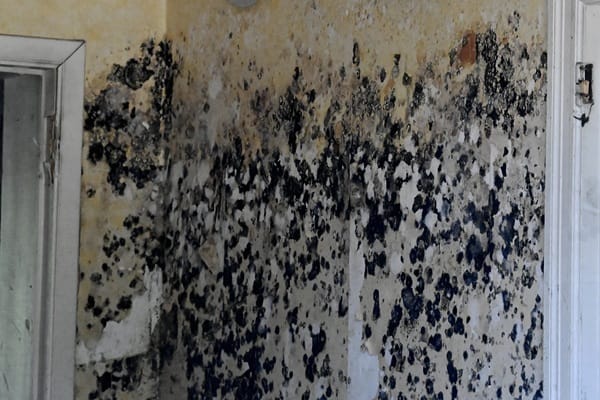
Damp and mould have always been a maintenance issue for landlords to be aware of, but in recent years it has become one of the biggest challenges to tackle.
There are several reasons for this becoming a growing issue. By understanding why this is a problem, it’s possible to find ways to solve it.
Why damp has become worse
There are several reasons behind the increase in damp and mould in properties across the UK.
The first involves the rising cost of living. As energy prices have increased, tenants have been avoiding switching the heating on to save money. Cooler indoor temperatures, combined with everyday activities such as cooking and drying clothes indoors, create condensation. At the same time, many modern homes are built to be more airtight for energy efficiency, meaning moisture can become trapped if ventilation is inadequate.
Regulatory expectations have also changed over time. Landlords are increasingly expected to identify and resolve damp and mould issues quickly. Failure to do so can result in legal disputes, enforcement action, compensation claims, and potential breaches of housing standards. Beyond legal consequences, unresolved damp can damage your reputation as a landlord.
Understanding damp and its causes
Identifying the source is essential before deciding on the appropriate solution.
Condensation is the most common cause of damp found in rental properties. It occurs when moisture in air comes into contact with cold surfaces such as windows or external walls. Persistent condensation often leads to mould growth, particularly in kitchens and bathrooms.
Penetrating damp is caused by water entering the building through damaged roofing or leaking gutters. Faulty seals around windows and doors are also a common cause. This form of damp usually appears as isolated patches.
Rising damp occurs when groundwater moves upwards through walls due to a failed or missing damp-proof course. It can cause damage to plaster and skirting boards.
The impact of damp on properties and tenants
Over time, excessive moisture can damage paint, plaster, timber, flooring, and decorative finishes. If ignored, repairs become more extensive and considerably more expensive.
For tenants, damp and mould can reduce comfort and negatively affect indoor air quality. Exposure over time can have health implications, including respiratory irritation. A property that feels damp or smells musty can also lead to complaints from tenants or they might leave the property early.
One of the most effective ways to improve indoor air quality and reduce excess moisture is through appropriate ventilation solutions, alongside consistent heating and property maintenance.
Practical ways landlords can reduce damp risks
Preventing damp now is generally more cost-effective than dealing with extensive repairs later. A proactive maintenance strategy helps you identify potential issues before they become serious.
To stay on top of this:
- Carry out regular property inspections to identify early signs of moisture or mould
- Repair leaks, damaged roofing, blocked gutters, and defective pointing quickly
- Make sure ventilation systems are functioning correctly and that there’s good airflow throughout the property
- Address reports from your tenants quickly to prevent minor issues from escalating
Ultimately, the most successful approach is to focus on prevention rather than repeatedly treating visible mould or damp patches. Identify the root cause and maintain the property well. This keeps tenants happy while protecting the long-term performance and value of your investment.


Leave a Comment