
Romania’s decision to shoot down an unidentified drone inside its airspace is more than an isolated military incident. It is another reminder that Russia’s war in Ukraine is increasingly spilling towards NATO’s borders.
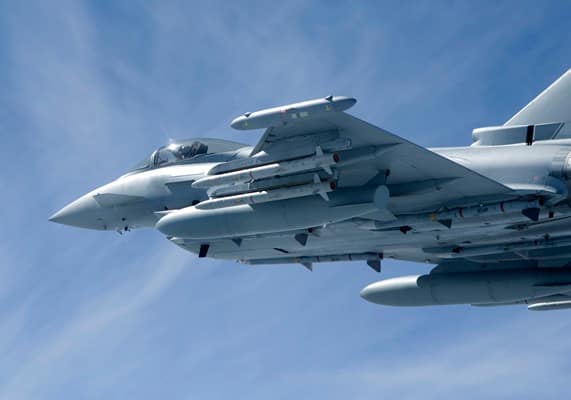
An F-16 fighter destroyed the aircraft near the eastern town of Padina after radar detected it entering Romanian airspace.
While officials have yet to determine its origin, Romania’s Chief of Staff said pilots believed it resembled a Shahed drone—the Iranian-designed weapon Russia has used extensively against Ukraine.
Whether the drone deliberately crossed the border or simply strayed off course remains unclear.
What is clear is that NATO’s eastern members are becoming less willing to tolerate repeated airspace incursions.
Romania has previously recovered drone debris after Russian strikes near the Danube, but this time it acted before the aircraft could continue deeper into its territory. The move reflects a growing determination to defend alliance airspace as incidents become more frequent.
The challenge for NATO is that attribution is rarely straightforward. Russian drones, Ukrainian drones and electronic warfare all operate close to alliance borders, making split-second military decisions increasingly complex.
Each interception also carries strategic risks. Respond too weakly and violations may become normalised. Respond too forcefully and the danger of unintended escalation grows.
Romania’s action therefore marks an important shift. It demonstrates that NATO’s frontline states are prepared to act decisively, even while investigations continue.
As the war enters another year, Europe’s greatest security challenge may not be a deliberate attack on NATO territory, but preventing isolated border incidents from escalating into something far more dangerous.


Leave a Comment