
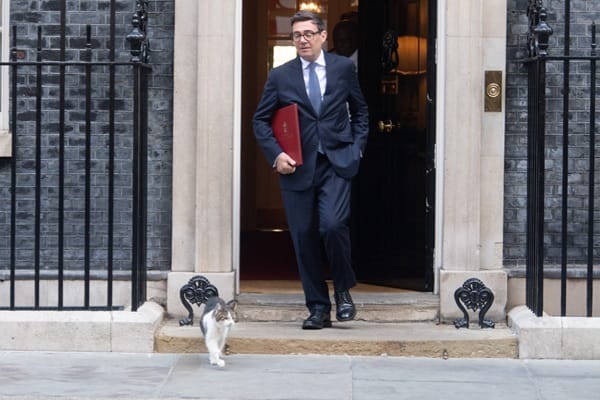
ndy Burnham has signalled that Labour could take Britain’s relationship with the European Union into the next general election, declaring his ambition to see the UK rejoin the bloc in his lifetime while insisting he will not move ahead of public opinion.
The Prime Minister’s latest intervention marks a delicate balancing act: promising a closer relationship with Brussels without abandoning the commitments made to voters in his Leave-voting Makerfield constituency.
Speaking to ITV, Mr Burnham ruled out changes during the current Parliament and said he would respect the red lines in Labour’s election manifesto. But he stopped short of endorsing the existing settlement.
“I’m not going to say this morning, sitting here, that the deal we’ve got at the moment is good enough for Britain,” he said. “I don’t think it is good enough for Britain.”
He added that he wanted to lead a discussion about how the relationship could be improved “in a way that people can support”.
Asked about his ultimate ambition, Mr Burnham said: “I’ve said that in my lifetime, I want to see that [rejoin the EU] happen, but I’m not going to move ahead of the public.”
The remarks come as Labour’s polling position has strengthened. Opinium puts the party on 30 per cent, eight points ahead of Reform UK, while Ipsos has also found Labour ahead of the Conservatives. The figures have fuelled speculation about the Government’s political room for manoeuvre, although Mr Burnham dismissed suggestions of an imminent snap election.
“There is no election coming any time soon,” he said, adding that Britain was regaining its “momentum” and “direction”.
The immediate test will come on November 20, when Mr Burnham meets senior EU officials as part of his effort to reset relations. Expected areas for agreement include food and drink, youth mobility and emissions trading. But his desire to open an “honest discussion” about restoring freedom of movement could prove considerably more contentious.
Immigration has already exposed a fault line within the Government. Mr Burnham blamed Brexit for contributing to the small-boats crisis, arguing that the inability to return people had encouraged crossings.
“The reason the small boat crisis has arisen is we can’t return people and we have people knowing we can’t,” he said.
Home Secretary Shabana Mahmood, however, rejected the suggestion that Brexit was responsible. “But is Brexit responsible for the boats? I don’t think that’s true,” she told the Home Affairs Select Committee.
The disagreement leaves the Prime Minister facing a difficult political equation: pressing for closer European ties while his own Home Secretary disputes one of his central arguments for changing the post-Brexit settlement.
Nigel Farage, Reform UK’s leader, seized on the remarks as a betrayal of the referendum result and Mr Burnham’s own electoral pitch in Makerfield.
“This is a total betrayal of Brexit Britain and his Makerfield pitch,” he said. “He is also deluded to say immigration was different when we were members of the EU. We will fight this dishonesty.”
With polling suggesting public support for rejoining the EU, the political debate is shifting from whether Britain should improve its relationship with Brussels to how far that process might ultimately go. Mr Burnham insists he will not rush ahead of voters. But by putting re-entry firmly in his personal political horizon, he has ensured that Brexit’s unresolved question — whether Britain should return to the European project it left — remains in play.


Leave a Comment