
Britain’s food supply chain is facing renewed scrutiny as forecasters warn another spell of extreme heat could place significant pressure on poultry production and distribution.
Temperatures are forecast to climb towards 41C during a heatwave expected in early July, prompting warnings that the conditions could repeat some of the disruption experienced during the record-breaking summer of 2022.
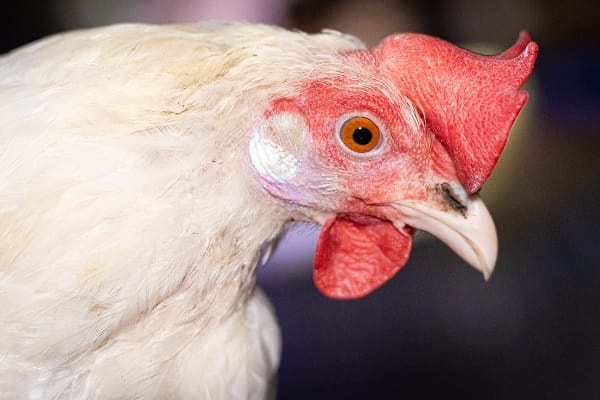
The poultry sector is regarded as particularly vulnerable during prolonged periods of high temperatures. Heat stress can affect bird welfare, reduce productivity and complicate transportation, increasing the risk of supply disruption.
Industry analysts have pointed to the experience of 2022, when temperatures above 40C resulted in approximately 18,500 chickens dying during transport, contributing to temporary supply pressures across parts of the food industry.
Jez Fredenburgh, senior food and climate analyst at the Energy and Climate Intelligence Unit, said repeated heatwaves are placing increasing strain on Britain’s food system.
He warned that livestock, crops and natural ecosystems are all becoming more exposed to periods of prolonged high temperatures, creating growing challenges for agricultural production.
The warning comes as the farming sector faces a broader set of pressures, including higher production costs, changing weather patterns and continued uncertainty over food inflation.
Martin Lines, chief executive of the Nature Friendly Farming Network, said prolonged heat places significant stress on livestock while reducing crop resilience and increasing pressure on water resources.
The latest forecasts have also revived memories of previous supply disruptions. In recent weeks, some supermarkets reported isolated shortages after cooling systems and distribution networks came under pressure during unusually warm weather.
While there is no indication that widespread shortages are inevitable, retailers and producers will be closely monitoring conditions if temperatures approach the levels currently forecast.
The potential impact extends beyond supermarkets. Britain’s hospitality sector, which relies heavily on stable poultry supplies, remains vulnerable to any disruption in distribution networks during periods of extreme weather.
For policymakers and the food industry alike, the forecasts underline a wider challenge. As extreme weather events become more frequent, improving the resilience of Britain’s food supply chain is becoming an increasingly important economic as well as environmental priority.


Leave a Comment