
Hampshire Police is facing explosive new questions after it emerged the force attempted to portray murdered teenager Henry Nowak as the aggressor just days after he was fatally stabbed.
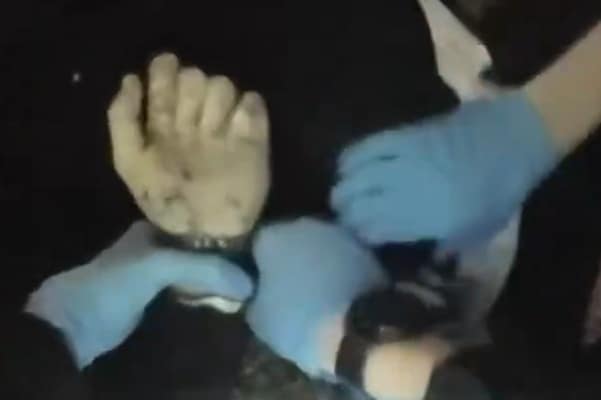
The revelation is likely to intensify scrutiny of the force’s handling of the case, which has already sparked national outrage following the release of bodycam footage showing officers handcuffing the 18-year-old as he repeatedly told them he had been stabbed and could not breathe.
According to reports, an initial police statement drafted three days after the killing described an incident in which “two men had been assaulted by an unknown man” – wording that appeared to present Vickrum Digwa and his brother as victims rather than suspects.
The statement was remarkable not only for what it said, but for what it omitted.
Read more related news:
Starmer dragged into policing crisis as US condemns UK ‘civilisational decline’
Police face Article 2 scrutiny over Henry Nowak death as coroner orders full jury inquest
Monty Python star savages Starmer of ‘incompetence’ amid ‘two-tier policing’
Hampshire police now under scrutiny after officers felt ‘trained into silence’
By that stage, detectives already possessed evidence indicating Digwa’s account was false. The 23-year-old had stabbed Mr Nowak with an eight-inch Sikh ceremonial knife before allegedly claiming he had himself been the victim of racist abuse.
Yet despite that knowledge, the proposed police narrative appeared to place suspicion on the teenager who had lost his life.
The force only altered its approach following objections from Henry’s family, who reportedly feared a misleading version of events was being established while they were still grieving.
According to The Sunday Times, officers informed the family that a subsequent statement would again imply Henry had been the aggressor. That wording was eventually dropped before publication, with police instead referring only to an “altercation.
For Henry’s relatives, the episode is likely to reinforce fears that an inaccurate narrative was allowed to develop around their son in the crucial days following his death.
The disclosure comes alongside further embarrassing revelations for Hampshire Police.
The force reportedly considered issuing a public statement warning against so-called “disinformation” while Digwa’s murder trial was already underway. Prosecutors are understood to have warned officers that such intervention risked jeopardising the integrity of the case itself.
The Crown Prosecution Service is said to have cautioned that any public commentary from police could potentially prejudice proceedings.
That intervention prevented the statement from being issued.
The episode raises uncomfortable questions about judgment at a time when public confidence in the force was already under intense pressure.
Perhaps even more damaging are claims surrounding Digwa’s arrest.
Despite being suspected of carrying out a fatal stabbing, he was reportedly not handcuffed and was allegedly allowed to retain possession of the knife after his arrest.
According to reports, the weapon remained hanging around his neck until a later search at a police station uncovered it before he was placed in a cell.
If accurate, the revelation will fuel concerns about basic operational failures in a case that has already become synonymous with allegations of catastrophic errors.
One source described the situation as a “massive blunder”, pointing out that officers either failed to remove a bladed weapon from a murder suspect or failed to notice it entirely.
Neither explanation reflects well on the force.
The latest disclosures arrive as Hampshire Police faces mounting criticism over its wider priorities, including controversial diversity and inclusion programmes that have become the subject of growing political debate following Henry’s death.
A CPS spokesman has now said: “The CPS highlighted to the police that protecting the integrity of the ongoing trial was essential, and of the risks of referring to any aspect of the evidence before it had been heard by the court and the case had been summed up by the judge to the jury.
“However, it was made clear that whether a statement was released was ultimately a police operational decision.”
A spokeswoman for Hampshire Police said: “Following the opening of the trial and the media reporting that followed, a significant amount of mis- and disinformation was circulating online.
“This included requests for information to be shared that had not been fully examined as part of the murder trial.
“The intention of the statement was to remind the public that there were ongoing legal proceedings and that the law is clear that nothing could be published which could prejudice the trial.
“The decision not to publish was taken following advice from the CPS.”
For critics, the emerging picture is one of an organisation that repeatedly got crucial decisions wrong.
For Hampshire Police, the challenge is no longer simply explaining individual mistakes.
It is explaining why so many of them appear to have happened in the same case.
And with multiple investigations continuing, the force faces the prospect that even more uncomfortable questions may still lie ahead.


Leave a Comment