
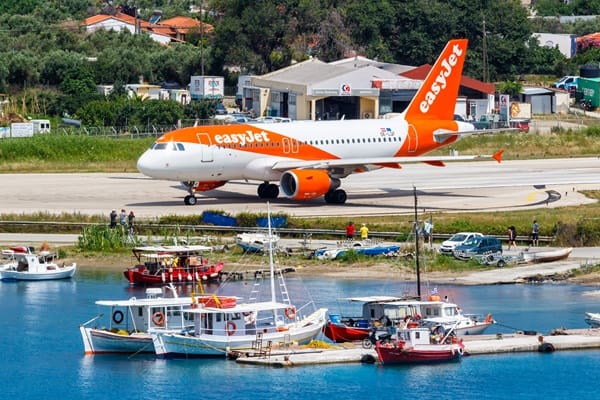
EasyJet has suffered a brutal profit collapse after the Iran conflict sent fuel costs soaring and rattled holiday demand, exposing fresh uncertainty just weeks after the airline agreed a £5.7 billion takeover.
The budget carrier reported pre-tax profits plunged to £85 million in the three months to June, down from £286 million a year earlier, as a surge in energy prices added £105 million to its fuel bill.
The results underline the mounting pressures facing the aviation sector as geopolitical instability, higher operating costs and cautious consumers weigh on demand.
The profit warning comes only weeks after easyJet accepted a £7.15-a-share takeover proposal from US private equity giant Apollo, valuing the airline at £5.7 billion. Apollo’s bid narrowly overtook a rival £5.5 billion offer from investment firm Castlelake.
EasyJet said the Middle East conflict had disrupted booking patterns, with passengers delaying decisions and increasingly purchasing flights closer to departure. While late bookings have remained strong, the airline admitted they had not fully offset weaker demand caused by concerns over fuel prices and consumer confidence.
Passenger numbers slipped 0.4 per cent to 25.8 million during the quarter, while its load factor — the proportion of seats filled — also weakened.
However, the company struck a more optimistic tone over the crucial summer travel season, saying demand had started to recover as customers continued to prioritise holidays despite economic pressures.
Chief executive Kenton Jarvis said easyJet had successfully managed the impact of the conflict but warned fuel prices remained volatile.
“Pricing has been attractive, driving strong late booking demand for our flights and holidays,” he said.
The airline added that improving consumer confidence was helping close the gap in summer bookings, although additional price incentives were still needed to stimulate demand.
For Apollo, the timing of the takeover agreement highlights the challenge ahead: turning around an airline whose low-cost model remains highly exposed to global shocks beyond its control.


Leave a Comment