
China has accused the UK of seriously damaging investor confidence after the Government nationalised British Steel, escalating tensions between London and Beijing over the future of the Scunthorpe steelworks.
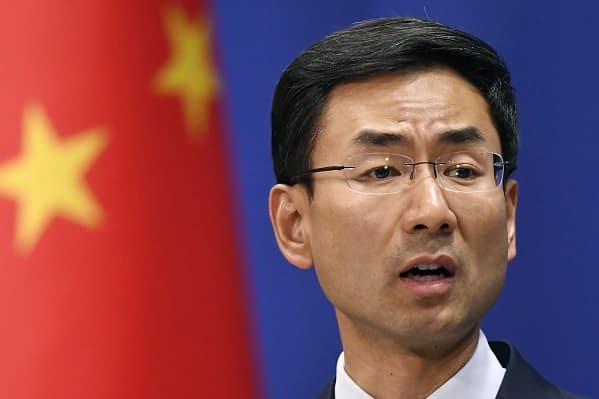
In a strongly worded statement, China’s Ministry of Commerce (Mofcom) said it was “strongly dissatisfied” with the decision to bring British Steel into public ownership, warning the move had dealt “a severe blow to Chinese companies’ confidence in investing in the UK.”
The steelmaker had been owned by Chinese industrial group Jingye Group, which had planned to close the blast furnaces at its Scunthorpe plant before the UK Government intervened.
On Thursday, ministers said nationalisation was necessary to protect domestic steel production, safeguard supply chains and preserve a strategically important industry.
A spokesperson for China’s Ministry of Commerce said the UK had “forcibly took control of British Steel” in the name of national security, arguing the decision undermined Jingye’s legitimate rights and interests.
Beijing warned it would support Chinese companies in pursuing legal action and said it would take “strong measures” to protect their interests. It also urged the UK to honour its obligations under the China-UK bilateral investment treaty and treat Chinese businesses fairly.
The Government said the move follows the passage of the Steel Industry (Nationalisation) Act 2026, which gives ministers powers to transfer steel businesses into public ownership.
A new leadership team has been installed to stabilise British Steel and develop it into what ministers described as a “commercially sustainable, low-carbon enterprise.
Prime Minister Keir Starmer said British Steel was “part of the fabric of our nation” and that nationalisation would secure the future of UK steelmaking, protect skilled jobs and preserve a vital industrial capability.
China’s response underscores the growing strain in UK-China economic relations as Western governments increasingly intervene in strategically important industries on national security grounds.


Leave a Comment