
Millions of people looking to make extra money from selling clothes online, creating handmade products or offering freelance services could benefit from a major change to the tax rules, with the Government planning to triple the amount they can earn from small-scale trading without paying income tax.
The trading allowance will rise from £1,000 to £3,000 a year from April 6 2027, giving people greater scope to test a business idea or supplement their main income before facing an income tax bill on their earnings.
The change, announced in the Autumn Budget on October 28 2026, could benefit up to 1.4mn people, according to HM Revenue & Customs. Around 400,000 individuals are expected to see their tax bills fall by an average of £380.
The increase comes as online marketplaces and digital platforms make it easier for people to turn hobbies, practical skills and spare time into additional sources of income. For those considering a side business, the higher threshold could make it more attractive to take the first steps without immediately facing the tax burden associated with larger-scale trading.
Cameron Batt, founder of predictive intelligence platform Skubl, said the change could give people greater confidence to experiment with a business idea.
“Starting a side hustle has become increasingly accessible, particularly through online marketplaces that allow people to reach potential customers without setting up their own website or investing heavily in a business,” he said.
“Raising the trading allowance to £3,000 could give people greater confidence to test a business idea without immediately facing the same tax and reporting requirements as someone running a larger operation.”
Here are six activities that could benefit.
1. Reselling clothes and second-hand goods
Buying clothing, accessories and other products specifically to sell them on at a profit could count as trading income.
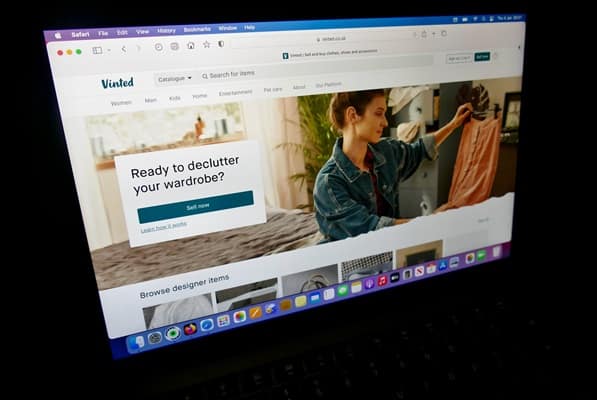
Platforms such as eBay, Vinted and Depop have created opportunities for small-scale resellers to reach customers without the expense of running a shop or building their own website.
Batt said reselling could be an accessible starting point because people can begin with a limited range of products and gradually identify what attracts buyers.
But there is an important distinction between trading and simply clearing out a wardrobe. Selling unwanted personal belongings does not automatically count as taxable trading income. Regularly buying goods with the intention of reselling them for a profit is a different activity and may fall within HMRC’s trading rules.
2. Selling handmade products
People making jewellery, candles, personalised gifts, artwork and other handmade goods could also benefit from the higher allowance.
Online marketplaces such as Etsy give independent creators access to customers in the UK and overseas, allowing them to turn an existing hobby into a small business.
Batt said handmade products could be particularly attractive for people looking to generate income from skills they already possess.
The key, however, is to establish whether customers are willing to pay before committing significant money to materials and equipment. Starting with a small range and monitoring which products sell can help keep costs under control.
3. Upcycling furniture and household items
Restoring second-hand furniture and selling it at a higher price is another potential opportunity.
People with practical skills can buy unwanted tables, chairs and household items, repair or transform them and sell them through online marketplaces or local networks.
Batt said upcycling could create value from relatively modest initial investments, but warned that sellers should calculate the full cost of materials, transport and marketplace fees before assuming a sale will be profitable.
The time involved in sourcing, restoring and delivering items also needs to be considered.
4. Selling digital products
Downloadable planners, templates, digital artwork and other online products offer another possible route into small-scale trading.
Unlike physical goods, digital products do not require stock, packaging or delivery, potentially allowing creators to sell the same item repeatedly.
But the absence of physical production costs does not guarantee success. Competition can be intense, making it important to understand what customers are searching for and whether there is genuine demand.
Batt said researching potential customers before investing time in developing products was essential.
5. Freelance tutoring and online services
People offering tutoring, writing, editing, graphic design and other freelance services alongside their main employment could also benefit.
Digital platforms have made it easier for individuals to market their skills directly to customers without setting up a traditional business.
Batt said the increased allowance could give people testing freelance work more room to establish whether there was sufficient demand to develop it into a regular income stream.
For someone with specialist knowledge or professional experience, this could provide a relatively low-cost way to earn additional money outside normal working hours.
6. Dog walking and local services
Not every side hustle needs to involve the internet. Dog walking, gardening and other local services can also generate trading income that may qualify for the allowance.
People may be able to start with existing skills and equipment, building a customer base within their neighbourhood before taking on more work.
Batt said these activities could offer straightforward opportunities, but warned that people should factor in insurance, travel expenses and any relevant legal requirements before accepting customers.
What the £3,000 allowance means for taxpayers
Despite the headline increase, there are important details to understand before launching a side business.
The new threshold will not apply until April 6 2027. For the current 2026-27 tax year, the trading allowance remains £1,000.
Crucially, the allowance applies to gross trading income — the money received before expenses are deducted — rather than profit. Income from different qualifying side hustles must be combined when assessing whether the threshold has been exceeded.
People earning more than the allowance may still be able to claim partial relief. Depending on their circumstances, however, deducting actual allowable business expenses instead could produce a better tax outcome.
Nor does the increase mean every payment received from selling something online is automatically taxable trading income. Occasional sales of personal possessions, such as unwanted clothes or household items, are generally different from buying and selling goods as a commercial activity.
Batt said people should avoid confusing sales revenue with the money they actually make.
“Someone making £3,000 in sales hasn’t necessarily made £3,000 in profit once they’ve accounted for stock, postage, materials and platform fees,” he said.
He added that keeping accurate records from the outset was one of the simplest ways to establish whether a side hustle was worthwhile and remain on top of tax obligations.
The higher allowance could remove some of the financial friction involved in trying a new venture. But it does not remove the need to understand costs, demand and the rules governing taxable income. For aspiring entrepreneurs, the opportunity may be greater flexibility to experiment — not a guarantee of easy money.


Leave a Comment