
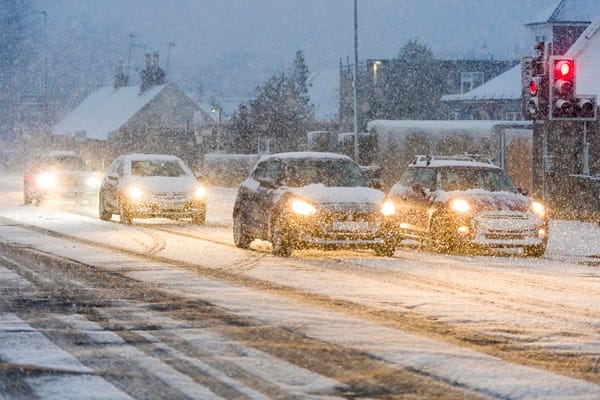
A breakdown, severe weather or an unexpected delay can turn an ordinary drive into hours of roadside waiting.
Experts say a handful of inexpensive essentials could help keep motorists and their passengers safe.
Most motorists prepare for the journey ahead by filling the tank, checking the route and packing snacks for the children.
Far fewer consider what might happen if the car breaks down, severe weather closes a road or an unexpected delay leaves the family stranded for hours.
Yet a small collection of inexpensive items in the boot could make a significant difference when a routine journey turns into a roadside emergency, particularly during the colder months.
Marcus Clarke, founder of The Prepared Household, says drivers often underestimate how quickly a minor disruption can become uncomfortable or potentially dangerous.
“Most people pack for the journey they’re expecting, not the one where something goes wrong,” Clarke explains. “If you’re stuck for several hours, particularly in winter or with young children, you’ll be glad you’ve thought ahead.”
His first recommendation is a fully charged power bank. Modern motorists rely on smartphones for navigation, contacting breakdown providers and keeping relatives informed, but a dead battery can leave drivers without an important lifeline.
“A charged power bank is one of the most useful things you can keep in your car,” Clarke says. “You don’t want to be worrying about your last few per cent of battery when you’re trying to arrange help.”
Cold weather presents another risk, especially if passengers have to leave the vehicle. Emergency foil blankets take up little room and can help retain body heat, while spare coats, hats and gloves are particularly useful for families travelling with children.
“Emergency foil blankets are inexpensive, take up hardly any space and can help retain body heat,” Clarke explains. “I’d also recommend keeping spare warm layers in the car during winter, especially if you’re travelling with children.”
Food and water are equally important. A journey expected to last an hour can become a much longer wait if a vehicle is stranded in a remote location or severe weather disrupts traffic. Bottled water and long-life snacks can help passengers cope until assistance arrives.
“Keep a few bottles of water and some long-life snacks in the boot,” Clarke advises. “They’re particularly useful if you’ve got young children who might struggle with an unexpected delay.”
Visibility becomes critical after dark. A reliable torch avoids draining a phone battery, while high-visibility clothing can help make passengers more visible to other road users when it is safe to wear it.
A basic first aid kit should also be part of the emergency supplies, alongside any essential medication passengers may need. Families should consider whether a delay could leave someone without access to regular treatment.
Clarke also recommends keeping important information in the glovebox rather than relying entirely on a smartphone.
“Write down your breakdown provider’s number, policy details and a couple of emergency contacts,” he says. “A small piece of paper in the glovebox can be surprisingly useful.”
A paper road map offers another backup if mobile coverage disappears or digital navigation becomes unavailable.
Drivers may also want to carry a warning triangle, although its use requires caution. It should only be deployed where appropriate and safe. On motorways, motorists should never attempt to place one behind their vehicle.
“Never attempt to place a warning triangle on a motorway,” Clarke warns. “Your first priority is always getting yourself and your passengers to safety, not setting out equipment.”
For motorists stranded on a motorway, the priority is to follow official breakdown safety advice: leave the vehicle by the left-hand side where possible, move behind the safety barrier if safe, and contact emergency or breakdown services.
Clarke stresses that preparing for an emergency does not mean filling the boot with expensive survival equipment.
You don’t need to turn your car into a mobile survival kit,” he concludes. A power bank, warm clothing, water and a few basic supplies can make an unexpected breakdown far less stressful.”
“The important thing is thinking about what you’d actually need if your journey suddenly stopped. It’s a small amount of preparation that could make a big difference when things don’t go to plan.


Leave a Comment